



Innovation Watch - Latest UM Patents (2026-10-26)
A computational simulation-assisted screening method for T cell receptor-like antibodies and its application
一種計算模擬輔助篩選T細胞受體樣抗體的方法及其應用
Publication No.:
CN122967767A
Publication Date:
2026-10-23
Applicant(s):
橫琴粵澳深度合作區澳門大學高等研究院(橫琴澳門大學高等研究院);University of Macau Advanced Research Institute in Hengqin (HUMRI)
Inventor(s):
趙琦;劉陽;郭子昂;Zhao Qi ; Liu, Yang ; Guo Zi’ang
Technology Field(s):
電腦技術 Computer technology
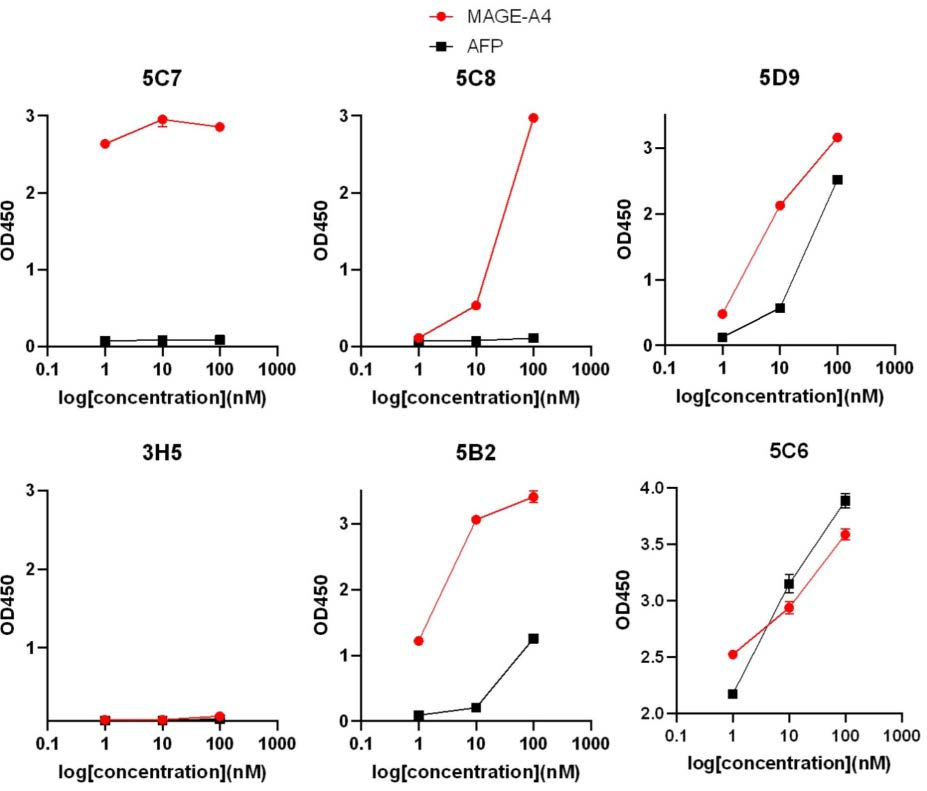
The present invention relates to the field of biotechnology and discloses a computational simulation-assisted method for screening T-cell receptor-like (TCR-like) antibodies, as well as applications thereof. The method overcomes the limitation of existing technologies that rely solely on aggregate interface statistics by artificially dividing the antibody–pHLA interface into four independent functional regions: the antigenic peptide, the HLA α1 helix, the HLA α2 helix, and the remaining HLA scaffold region. Hydrogen bonds, salt bridges, interfacial contacts, and their spatial distributions between each CDR loop and the four subregions are analyzed separately. Rather than using overall binding-interaction strength as the primary criterion, the method evaluates whether interfacial contacts and interactions arise predominantly from the antigenic peptide or from the conserved HLA scaffold. By integrating binding orientation with the interaction distributions across the four subregions, candidate TCR-like antibodies are classified into different binding modes. This enables the exclusion of nonspecific antibodies and facilitates efficient antibody screening.

Use of gingerol compounds in preparation of products for treatment of genetic intellectual and cognitive dysfunction diseases [Granted Patent]
薑酚類化合物在製備治療遺傳性智力與認知功能障礙性疾病的產品中的應用 [授權專利]
Publication No.:
CN119215022B
Publication Date:
2026-10-20
Applicant(s):
澳門大學;University of Macau
Inventor(s):
李越;Li, Yue
Technology Field(s):
製藥 Pharmaceuticals
The present invention relates to the field of biomedical technology, and specifically to the use of gingerol compounds in the manufacture of products for treating hereditary intellectual and cognitive disorders. The invention demonstrates that 6-gingerol can improve neurogenesis and correct cognitive deficits associated with fragile X syndrome, thereby expanding the potential applications of 6-gingerol in neurodevelopmental disorders and enhancing its scientific significance in disease treatment. The invention is suitable for industrial-scale production and widespread adoption. The invention provides a novel drug source for treating fragile X syndrome and related diseases caused by genetic alterations or mutations of the X chromosome, as well as a new medicinal use for gingerol compounds.
Bandgap reference circuit
帶隙基準電路
Publication No.:
CN122945766A
Publication Date:
2026-10-20
Applicant(s):
澳門大學;University of Macau
Inventor(s):
余志樺;羅文基;李照希;馬許願;林智聲;Yu, Zhi-Hua ; Luo Wenji ; Li Zhaoxi ; Rui Paulo da Silva Martins ; Lin Zhisheng
Technology Field(s):
控制 Control
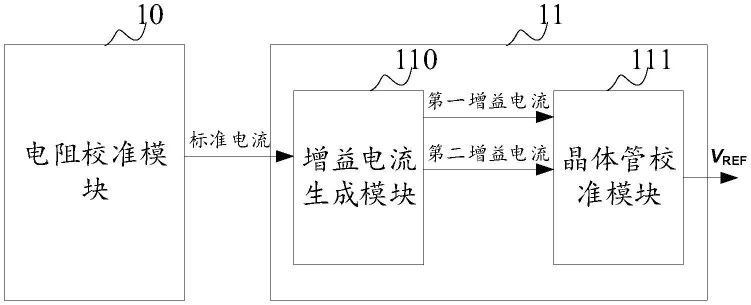
The present application provides a bandgap reference circuit comprising a resistor calibration unit, a gain-current generation module, and a transistor calibration module. A first terminal of the resistor calibration unit is connected to an input terminal of the gain-current generation module. A first output terminal of the gain-current generation module is connected to a first input terminal of the transistor calibration module, while a second output terminal of the gain-current generation module is connected to a second input terminal of the transistor calibration module. The resistor calibration unit is configured to calibrate process-induced resistance variations by applying voltage biases to two resistors within the unit, thereby generating a reference current. The gain-current generation module is configured to generate a first gain current and a second gain current based on the reference current. The transistor calibration module separately amplifies the first and second gain currents and performs process calibration of the transistors based on the amplified currents and the internal parameters of the transistors within the module, thereby enabling the transistor calibration module to output a standard reference voltage. The circuit can compensate for reference-voltage drift caused by process variations.