


Innovation Watch - Latest UM Patents (2026-10-05)
A catalyst and its preparation method and application
一種催化劑及其製備方法和應用
Publication No.:
CN122856258A
Publication Date:
2026-10-02
Applicant(s):
澳門大學; University of Macau
Inventor(s):
潘暉; 葉穎暉; 賴曉玲; Pan Hui; Ye, Ying-Hui; Lai Xiaoling
Technology Field(s):
表面技術、塗層, 環境技術; Surface technology, coating, Environmental technology
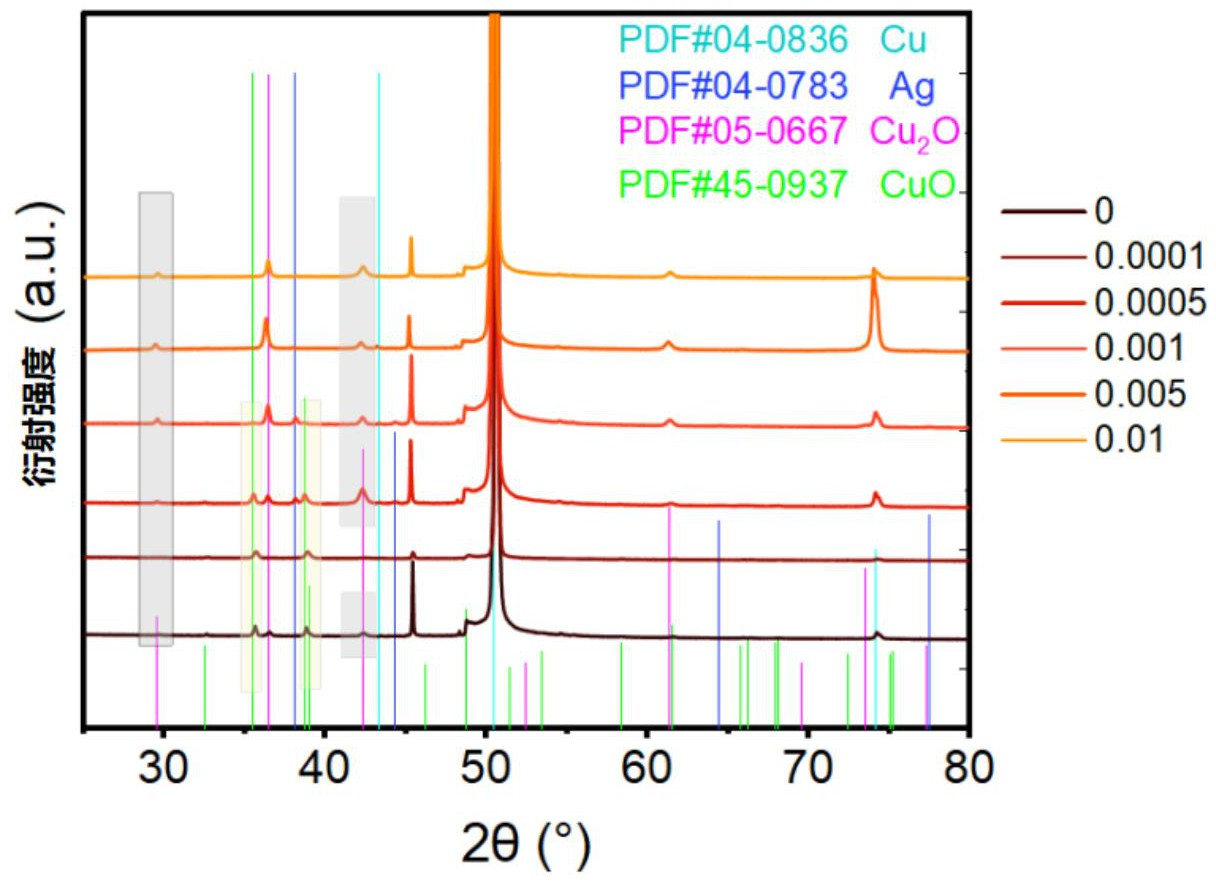
The present invention discloses a catalyst belonging to the technical field of catalysts. The catalyst comprises a copper substrate, wherein a copper oxide phase is formed on at least a portion of the surface of the copper substrate, and silver nanoparticles are dispersedly supported on the surface of the copper substrate or the copper oxide phase. In the present invention, a composite heterogeneous catalyst is obtained by in situ generating the copper oxide phase and silver nanoparticles on the copper substrate. Over a wide potential window, the catalyst exhibits excellent electrocatalytic reduction activity toward carbon dioxide, high ethylene selectivity, and robust catalytic stability.
Publication No.:
CN122856258A
Publication Date:
2026-10-02
Applicant(s):
澳門大學; University of Macau
Inventor(s):
潘暉; 葉穎暉; 賴曉玲; Pan Hui; Ye, Ying-Hui; Lai Xiaoling
Technology Field(s):
表面技術、塗層, 環境技術; Surface technology, coating, Environmental technology
The present invention discloses a catalyst belonging to the technical field of catalysts. The catalyst comprises a copper substrate, wherein a copper oxide phase is formed on at least a portion of the surface of the copper substrate, and silver nanoparticles are dispersedly supported on the surface of the copper substrate or the copper oxide phase. In the present invention, a composite heterogeneous catalyst is obtained by in situ generating the copper oxide phase and silver nanoparticles on the copper substrate. Over a wide potential window, the catalyst exhibits excellent electrocatalytic reduction activity toward carbon dioxide, high ethylene selectivity, and robust catalytic stability.
A microfluidic system, microfluidic dispensing method, processing apparatus, and storage medium [Granted Patent]
微流控系統、微流體分配方法、處理設備及存儲介質 [授權專利]
Publication No.:
CN116060149B
Publication Date:
2026-09-29
Applicant(s):
澳門大學; University of Macau
Inventor(s):
賈豔偉; 李浩然; 麥沛然; 馬許願; Jia Yanwei; Li, Hao-Ran; Mai Peiran; Rui Paulo da Silva Martins
Technology Field(s):
化學工程, 電腦技術, 控制; Chemical engineering, Computer technology, Control
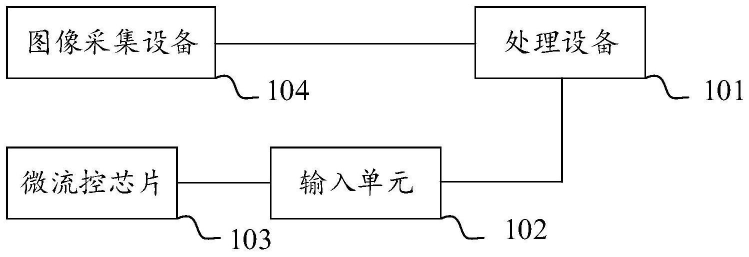
The present invention provides a microfluidic system, a microfluid dispensing method, a processing device, and a storage medium, and relates to the field of data processing technology. The microfluidic system comprises a processing device, an input unit, a microfluidic chip, and an image acquisition device. The processing device is connected to the input unit and is configured to transmit a first control instruction to the input unit. The input unit is connected to the microfluidic chip and is configured to apply a driving signal to a first target electrode in the microfluidic chip according to the first control instruction, thereby controlling the movement and jetting of a parent droplet on the microfluidic chip. The microfluidic chip comprises a plurality of electrodes arranged in sequence. The image acquisition device is connected to the processing device and is configured to acquire a first image of satellite droplets formed by jetting on the microfluidic chip and transmit the first satellite-droplet image to the processing device. The processing device is configured to determine a first dispensed volume based on the first satellite-droplet image. By calculating the volume of the microfluid from images of satellite droplets, the system reduces interference with biochemical experiments.
Publication No.:
CN116060149B
Publication Date:
2026-09-29
Applicant(s):
澳門大學; University of Macau
Inventor(s):
賈豔偉; 李浩然; 麥沛然; 馬許願; Jia Yanwei; Li, Hao-Ran; Mai Peiran; Rui Paulo da Silva Martins
Technology Field(s):
化學工程, 電腦技術, 控制; Chemical engineering, Computer technology, Control
The present invention provides a microfluidic system, a microfluid dispensing method, a processing device, and a storage medium, and relates to the field of data processing technology. The microfluidic system comprises a processing device, an input unit, a microfluidic chip, and an image acquisition device. The processing device is connected to the input unit and is configured to transmit a first control instruction to the input unit. The input unit is connected to the microfluidic chip and is configured to apply a driving signal to a first target electrode in the microfluidic chip according to the first control instruction, thereby controlling the movement and jetting of a parent droplet on the microfluidic chip. The microfluidic chip comprises a plurality of electrodes arranged in sequence. The image acquisition device is connected to the processing device and is configured to acquire a first image of satellite droplets formed by jetting on the microfluidic chip and transmit the first satellite-droplet image to the processing device. The processing device is configured to determine a first dispensed volume based on the first satellite-droplet image. By calculating the volume of the microfluid from images of satellite droplets, the system reduces interference with biochemical experiments.
A digital microfluidic device and high-resolution melting curve analysis method [Granted Patent]
一種數字微流控器件及高分辨率熔解曲線分析的方法 [授權專利]
Publication No.:
CN116068014B
Publication Date:
2026-09-29
Applicant(s):
澳門大學; University of Macau
Inventor(s):
李明忠; 萬諒; 羅文基; 孟李; 賈豔偉; 麥沛然; 馬許願; Li Mingzhong; Wan Liang; Luo Wenji; Meng Li; Jia Yanwei; Mai Peiran; Rui Paulo da Silva Martins
Technology Field(s):
測量, 生物技術, 表面技術、塗層; Measurement, Biotechnology, Surface technology, coating
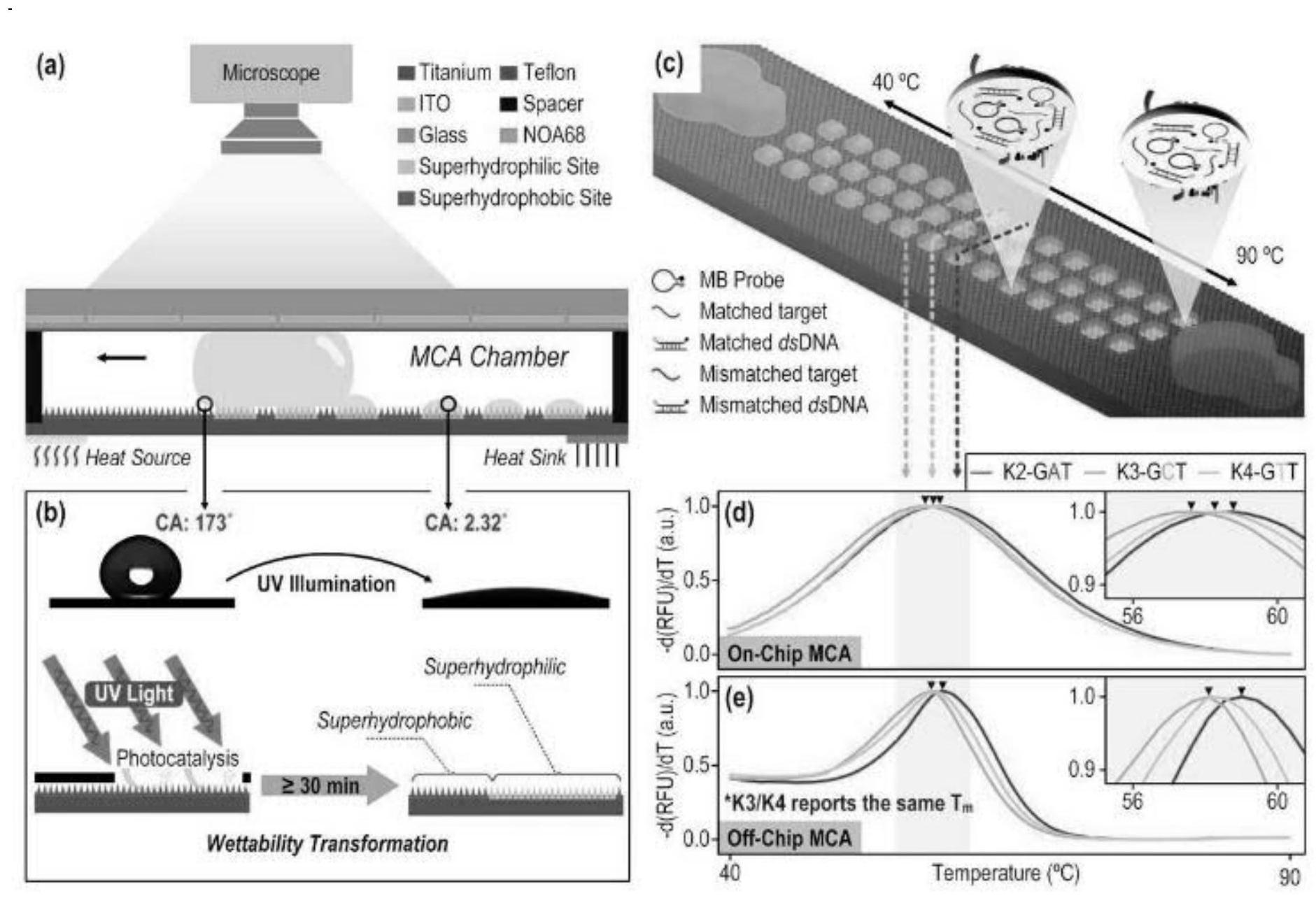
The present invention discloses a digital microfluidic device and a method for high-resolution melting curve analysis, relating to the field of digital microfluidics. The invention provides a functional substrate with hierarchical micro- and nanostructures for separating and arraying nanoliter-scale thin-film droplets at high resolution on a digital microfluidic platform, thereby enabling accurate one-time melting curve analysis. Through etching, the functional substrate exhibits superwettability with a contact-angle contrast greater than 170°. On an array of superhydrophilic patterns with inter-unit gaps of 50–500 μm, microliter-scale DNA samples are passively separated into high-resolution, nanoliter-scale thin-film droplets. Their characteristic thickness of 50 μm substantially reduces temperature variations within the droplets, making them suitable for high-resolution melting curve analysis. Furthermore, compared with conventional digital microfluidic devices, the digital microfluidic device provided by the present invention enables melting curve analysis with greater accuracy and higher resolution.
Publication No.:
CN116068014B
Publication Date:
2026-09-29
Applicant(s):
澳門大學; University of Macau
Inventor(s):
李明忠; 萬諒; 羅文基; 孟李; 賈豔偉; 麥沛然; 馬許願; Li Mingzhong; Wan Liang; Luo Wenji; Meng Li; Jia Yanwei; Mai Peiran; Rui Paulo da Silva Martins
Technology Field(s):
測量, 生物技術, 表面技術、塗層; Measurement, Biotechnology, Surface technology, coating
The present invention discloses a digital microfluidic device and a method for high-resolution melting curve analysis, relating to the field of digital microfluidics. The invention provides a functional substrate with hierarchical micro- and nanostructures for separating and arraying nanoliter-scale thin-film droplets at high resolution on a digital microfluidic platform, thereby enabling accurate one-time melting curve analysis. Through etching, the functional substrate exhibits superwettability with a contact-angle contrast greater than 170°. On an array of superhydrophilic patterns with inter-unit gaps of 50–500 μm, microliter-scale DNA samples are passively separated into high-resolution, nanoliter-scale thin-film droplets. Their characteristic thickness of 50 μm substantially reduces temperature variations within the droplets, making them suitable for high-resolution melting curve analysis. Furthermore, compared with conventional digital microfluidic devices, the digital microfluidic device provided by the present invention enables melting curve analysis with greater accuracy and higher resolution.
Topological structure and system of direct current-direct current converter and implementation method of topological structure and system [Granted Patent]
直流-直流轉換器拓撲結構、系統及其實現方法 [授權專利]
Publication No.:
CN116995926B
Publication Date:
2026-09-29
Applicant(s):
澳門大學; University of Macau
Inventor(s):
張雄傑; 江洋; 羅文基; 麥沛然; 馬許願; Zhang Xiongjie; Jiang Yang; Luo Wenji; Mai Peiran; Rui Paulo da Silva Martins
Technology Field(s):
電機、設備、能源; Electrical machinery, apparatus, energy
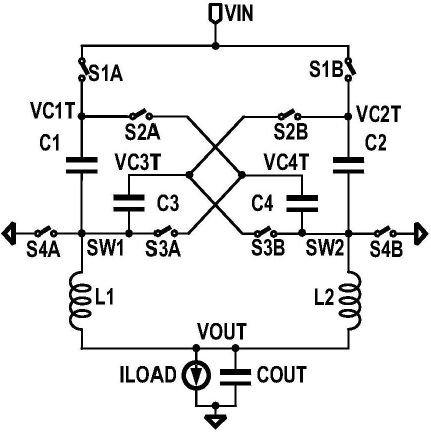
The present application provides a DC-DC converter topology, system, and method, and relates to the field of electronic circuit technology. In the DC-DC converter, a voltage input terminal is connected to a voltage output terminal through a first switching unit, a first flying capacitor, and a first inductor, and is also connected to the voltage output terminal through a second switching unit, a second flying capacitor, and a second inductor. An upper plate of the first flying capacitor is connected to a lower plate of the second flying capacitor through a third switching unit and a third flying capacitor. An upper plate of the second flying capacitor is connected to a lower plate of the first flying capacitor through a fourth switching unit and a fourth flying capacitor. An upper plate of the third flying capacitor is connected to the lower plate of the second flying capacitor through a fifth switching unit, while an upper plate of the fourth flying capacitor is connected to the lower plate of the first flying capacitor through a sixth switching unit. The lower plates of the first and second flying capacitors are also grounded. The DC-DC converter features high conversion efficiency and high power density.
Publication No.:
CN116995926B
Publication Date:
2026-09-29
Applicant(s):
澳門大學; University of Macau
Inventor(s):
張雄傑; 江洋; 羅文基; 麥沛然; 馬許願; Zhang Xiongjie; Jiang Yang; Luo Wenji; Mai Peiran; Rui Paulo da Silva Martins
Technology Field(s):
電機、設備、能源; Electrical machinery, apparatus, energy
The present application provides a DC-DC converter topology, system, and method, and relates to the field of electronic circuit technology. In the DC-DC converter, a voltage input terminal is connected to a voltage output terminal through a first switching unit, a first flying capacitor, and a first inductor, and is also connected to the voltage output terminal through a second switching unit, a second flying capacitor, and a second inductor. An upper plate of the first flying capacitor is connected to a lower plate of the second flying capacitor through a third switching unit and a third flying capacitor. An upper plate of the second flying capacitor is connected to a lower plate of the first flying capacitor through a fourth switching unit and a fourth flying capacitor. An upper plate of the third flying capacitor is connected to the lower plate of the second flying capacitor through a fifth switching unit, while an upper plate of the fourth flying capacitor is connected to the lower plate of the first flying capacitor through a sixth switching unit. The lower plates of the first and second flying capacitors are also grounded. The DC-DC converter features high conversion efficiency and high power density.
Power converter [Granted Patent]
電源轉換器 [授權專利]
Publication No.:
CN117748940B
Publication Date:
2026-09-29
Applicant(s):
澳門大學; University of Macau
Inventor(s):
馬喬博; 江洋; 羅文基; 麥沛然; 馬許願; Ma Qiaobo; Jiang Yang; Luo Wenji; Mai Peiran; Rui Paulo da Silva Martins
Technology Field(s):
電機、設備、能源; Electrical machinery, apparatus, energy
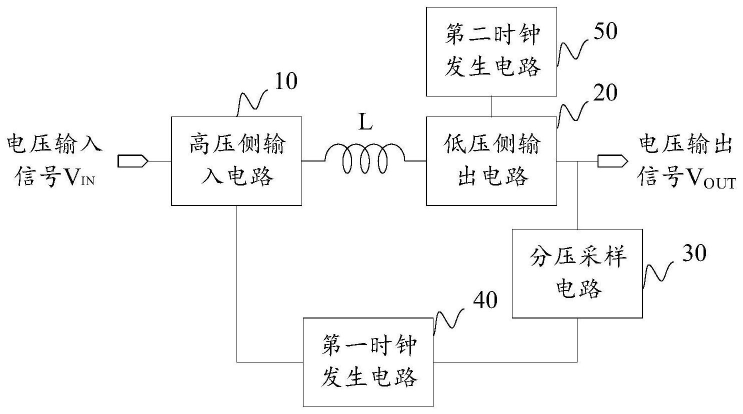
The present application provides a power converter comprising a high-voltage-side input circuit, an inductor, a low-voltage-side output circuit, a voltage-divider sampling circuit, a first clock generation circuit, and a second clock generation circuit. The high-voltage-side input circuit receives an input voltage signal and is connected to the inductor. The low-voltage-side output circuit is connected to the inductor and provides an output voltage. The first clock generation circuit is connected to the high-voltage-side input circuit. The second clock generation circuit receives a first preset clock signal and is connected to the low-voltage-side output circuit. The high-voltage-side input circuit and the low-voltage-side output circuit each comprise a plurality of switches and capacitors. In the present application, the first clock generation circuit adjusts the duty cycle of an output non-overlapping clock signal according to the output voltage and drives the high-voltage-side input circuit using the non-overlapping clock signal, thereby establishing negative feedback. Accordingly, the high-voltage-side input circuit, the inductor, and the low-voltage-side output circuit prevent undershoot of the output voltage during load transients while enhancing the pull-up of the inductor current.
Publication No.:
CN117748940B
Publication Date:
2026-09-29
Applicant(s):
澳門大學; University of Macau
Inventor(s):
馬喬博; 江洋; 羅文基; 麥沛然; 馬許願; Ma Qiaobo; Jiang Yang; Luo Wenji; Mai Peiran; Rui Paulo da Silva Martins
Technology Field(s):
電機、設備、能源; Electrical machinery, apparatus, energy
The present application provides a power converter comprising a high-voltage-side input circuit, an inductor, a low-voltage-side output circuit, a voltage-divider sampling circuit, a first clock generation circuit, and a second clock generation circuit. The high-voltage-side input circuit receives an input voltage signal and is connected to the inductor. The low-voltage-side output circuit is connected to the inductor and provides an output voltage. The first clock generation circuit is connected to the high-voltage-side input circuit. The second clock generation circuit receives a first preset clock signal and is connected to the low-voltage-side output circuit. The high-voltage-side input circuit and the low-voltage-side output circuit each comprise a plurality of switches and capacitors. In the present application, the first clock generation circuit adjusts the duty cycle of an output non-overlapping clock signal according to the output voltage and drives the high-voltage-side input circuit using the non-overlapping clock signal, thereby establishing negative feedback. Accordingly, the high-voltage-side input circuit, the inductor, and the low-voltage-side output circuit prevent undershoot of the output voltage during load transients while enhancing the pull-up of the inductor current.
Trusted demand response potential assessment methods, devices, electronic equipment and storage media [Granted Patent]
可信需求響應潛力評估方法、裝置、電子設備及存儲介質 [授權專利]
Publication No.:
CN121903255B
Publication Date:
2026-09-29
Applicant(s):
澳門大學; University of Macau
Inventor(s):
惠紅勳; 蔣思宇; 宋永華; Hui Hongxun; Jiang Siyu; Song Yonghua
Technology Field(s):
資訊科技管理方法, 電腦技術; IT methods for management, Computer technology
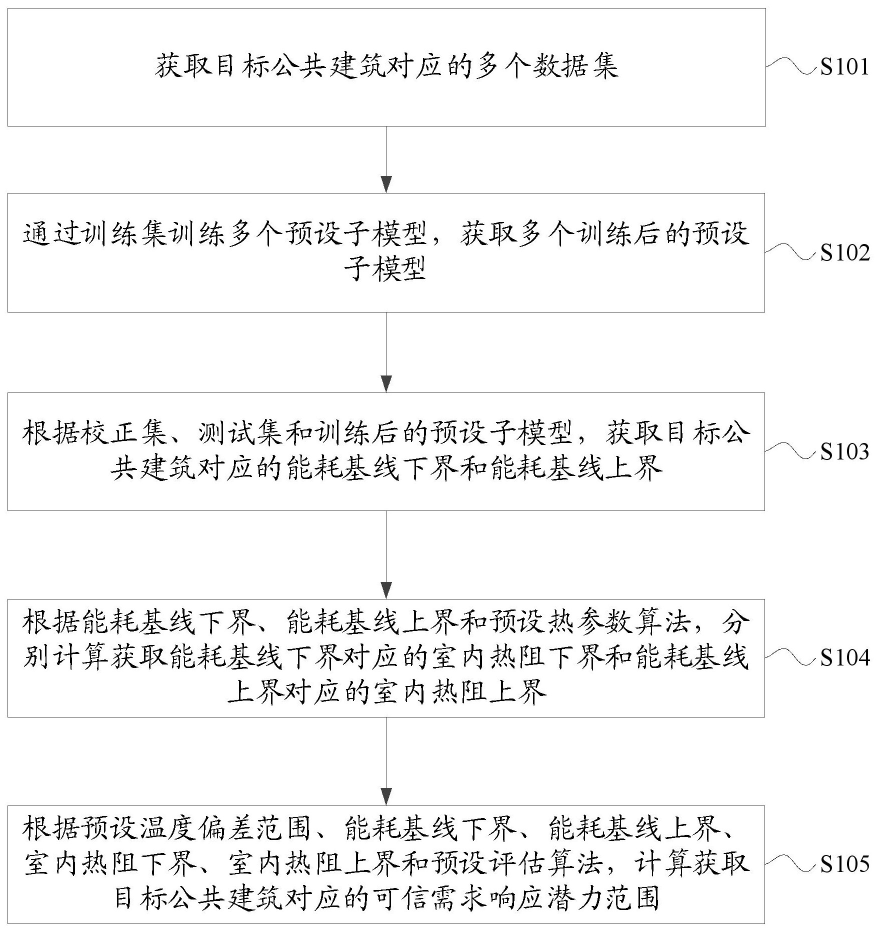
The present application provides a method, an apparatus, an electronic device, and a storage medium for assessing reliable demand response potential, and relates to the field of electric power technology. After obtaining multiple datasets corresponding to a target public building, the method trains a plurality of predefined submodels using training sets from the datasets. Calibration sets and test sets from the datasets are then separately input into the trained submodels to obtain upper and lower bounds of the energy consumption baseline for the target public building. A predefined thermal-parameter algorithm is applied to the baseline bounds to calculate upper and lower bounds of the indoor thermal resistance. Finally, based on the upper and lower bounds of the energy consumption baseline, the upper and lower bounds of the indoor thermal resistance, temperature-related comfort constraints, and a predefined assessment algorithm, the reliable demand response potential of the target public building is determined in the form of upper and lower bounds. This reduces the discrepancy between demand response potential estimated using a grey-box model and the actual response, thereby increasing the benefits of user participation in demand response and improving the reliability of power-system dispatch.
Publication No.:
CN121903255B
Publication Date:
2026-09-29
Applicant(s):
澳門大學; University of Macau
Inventor(s):
惠紅勳; 蔣思宇; 宋永華; Hui Hongxun; Jiang Siyu; Song Yonghua
Technology Field(s):
資訊科技管理方法, 電腦技術; IT methods for management, Computer technology
The present application provides a method, an apparatus, an electronic device, and a storage medium for assessing reliable demand response potential, and relates to the field of electric power technology. After obtaining multiple datasets corresponding to a target public building, the method trains a plurality of predefined submodels using training sets from the datasets. Calibration sets and test sets from the datasets are then separately input into the trained submodels to obtain upper and lower bounds of the energy consumption baseline for the target public building. A predefined thermal-parameter algorithm is applied to the baseline bounds to calculate upper and lower bounds of the indoor thermal resistance. Finally, based on the upper and lower bounds of the energy consumption baseline, the upper and lower bounds of the indoor thermal resistance, temperature-related comfort constraints, and a predefined assessment algorithm, the reliable demand response potential of the target public building is determined in the form of upper and lower bounds. This reduces the discrepancy between demand response potential estimated using a grey-box model and the actual response, thereby increasing the benefits of user participation in demand response and improving the reliability of power-system dispatch.
Identification and application of new mitophagy agonists
新型線粒體自噬激動劑鑑定與應用
Publication No.:
CN122827978A
Publication Date:
2026-09-29
Applicant(s):
澳門大學; University of Macau
Inventor(s):
陳強; 伍梓健; 王丙亮; Chen Qiang; Wu Zijian; Wang Bingliang
Technology Field(s):
製藥, 生物技術; Pharmaceuticals, Biotechnology
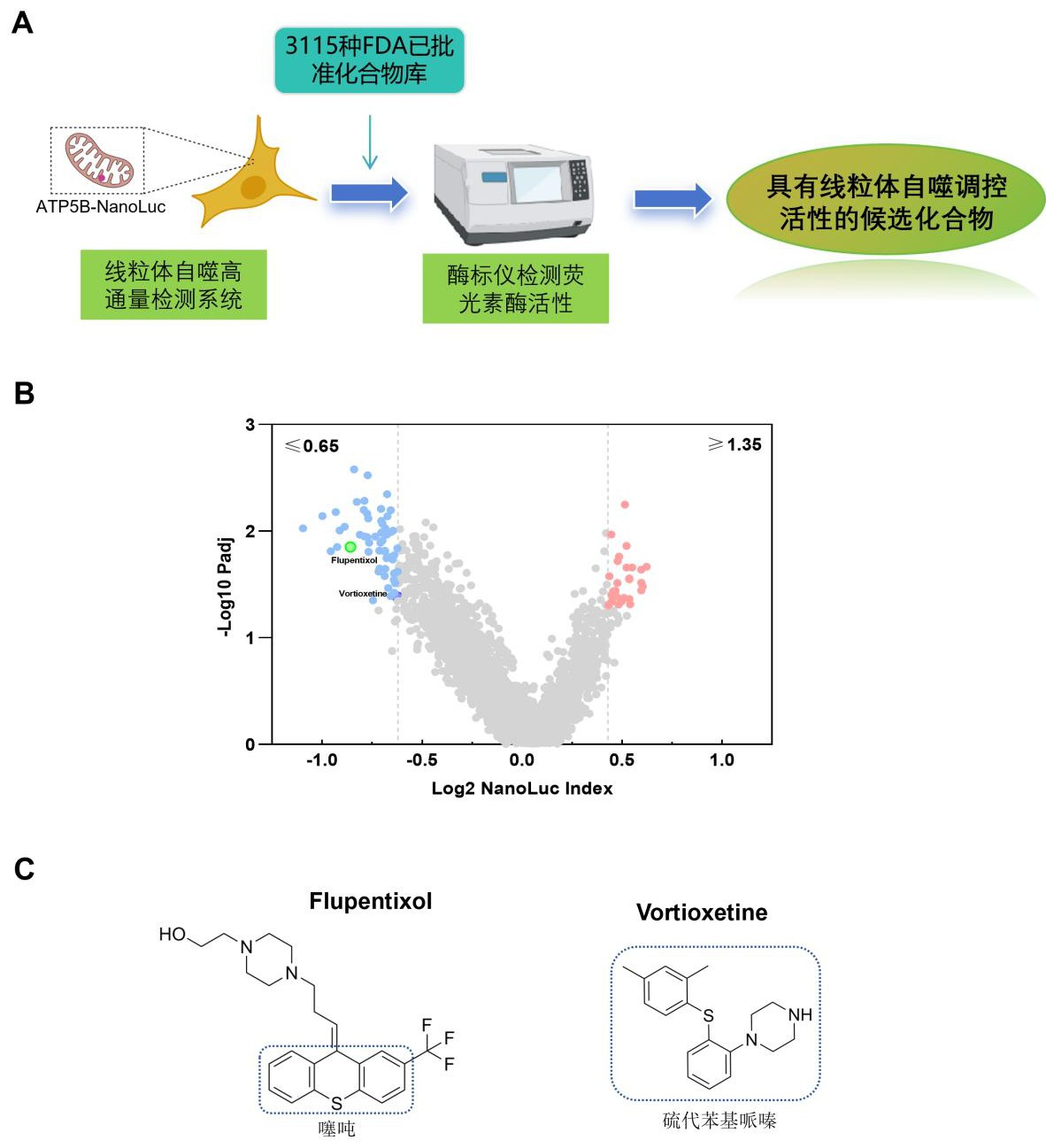
The present invention relates to the field of pharmaceutical technology and discloses the identification and application of novel mitophagy agonists. Specifically, the invention provides the use of mitophagy agonists in the manufacture of medicaments for preventing and/or treating fatty liver disease. Through systematic screening of a library of FDA-approved compounds, the invention demonstrates for the first time that flupentixol and vortioxetine possess mitophagy-inducing activity and that their effects are independent of the canonical PINK1/Parkin pathway. The invention further demonstrates that these two compounds effectively alleviate lipid accumulation and lipotoxicity in cellular models of metabolic dysfunction-associated steatotic liver disease (MASLD), thereby providing new therapeutic options for diseases associated with impaired mitophagy.
Publication No.:
CN122827978A
Publication Date:
2026-09-29
Applicant(s):
澳門大學; University of Macau
Inventor(s):
陳強; 伍梓健; 王丙亮; Chen Qiang; Wu Zijian; Wang Bingliang
Technology Field(s):
製藥, 生物技術; Pharmaceuticals, Biotechnology
The present invention relates to the field of pharmaceutical technology and discloses the identification and application of novel mitophagy agonists. Specifically, the invention provides the use of mitophagy agonists in the manufacture of medicaments for preventing and/or treating fatty liver disease. Through systematic screening of a library of FDA-approved compounds, the invention demonstrates for the first time that flupentixol and vortioxetine possess mitophagy-inducing activity and that their effects are independent of the canonical PINK1/Parkin pathway. The invention further demonstrates that these two compounds effectively alleviate lipid accumulation and lipotoxicity in cellular models of metabolic dysfunction-associated steatotic liver disease (MASLD), thereby providing new therapeutic options for diseases associated with impaired mitophagy.
An application of carboxyl organic matter as additive for electrolyzing water to produce hydrogen
一種羧基有機物在電解水制氫添加劑的應用
Publication No.:
CN122833618A
Publication Date:
2026-09-29
Applicant(s):
澳門大學; University of Macau
Inventor(s):
王雙鵬; 張浩; 潘暉; Wang Shuangpeng; Zhang, Hao; Pan Hui
Technology Field(s):
表面技術、塗層; Surface technology, coating
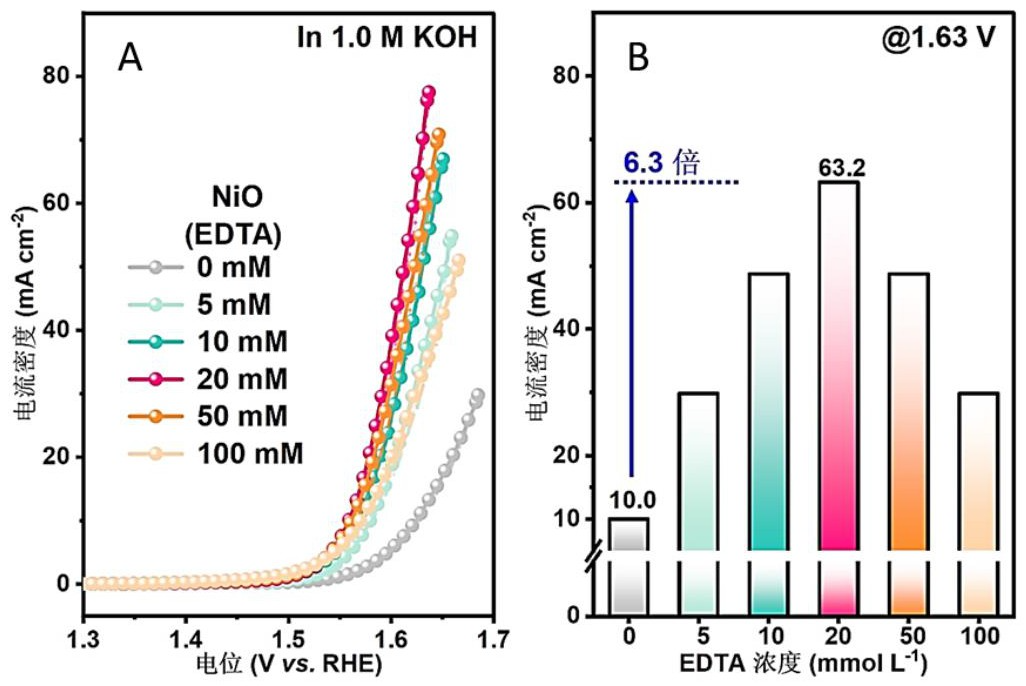
The present invention provides the use of a carboxyl-containing organic compound as an additive for water electrolysis for hydrogen production. An electrolyte-optimization strategy is employed to enhance the catalytic performance of the catalytic electrode. The carboxyl-containing organic compound can also remove impurity ions from the electrolyte and improve catalyst stability. When added to an alkaline electrolyte, the carboxyl-containing organic additive preferentially coordinates with metal ions on the catalyst surface, thereby anchoring itself to the surface. This interaction modulates the electronic structure of the surface metal species and enhances their stability, resulting in significant improvements in the catalyst’s intrinsic catalytic activity and durability. Accordingly, through simple addition to the electrolyte, the carboxyl-containing organic compound of the present invention can purify the electrolyte, stabilize the electrode surface, significantly enhance the kinetics of the oxygen evolution reaction (OER), and improve the overall energy efficiency of the electrolyzer.
Publication No.:
CN122833618A
Publication Date:
2026-09-29
Applicant(s):
澳門大學; University of Macau
Inventor(s):
王雙鵬; 張浩; 潘暉; Wang Shuangpeng; Zhang, Hao; Pan Hui
Technology Field(s):
表面技術、塗層; Surface technology, coating
The present invention provides the use of a carboxyl-containing organic compound as an additive for water electrolysis for hydrogen production. An electrolyte-optimization strategy is employed to enhance the catalytic performance of the catalytic electrode. The carboxyl-containing organic compound can also remove impurity ions from the electrolyte and improve catalyst stability. When added to an alkaline electrolyte, the carboxyl-containing organic additive preferentially coordinates with metal ions on the catalyst surface, thereby anchoring itself to the surface. This interaction modulates the electronic structure of the surface metal species and enhances their stability, resulting in significant improvements in the catalyst’s intrinsic catalytic activity and durability. Accordingly, through simple addition to the electrolyte, the carboxyl-containing organic compound of the present invention can purify the electrolyte, stabilize the electrode surface, significantly enhance the kinetics of the oxygen evolution reaction (OER), and improve the overall energy efficiency of the electrolyzer.
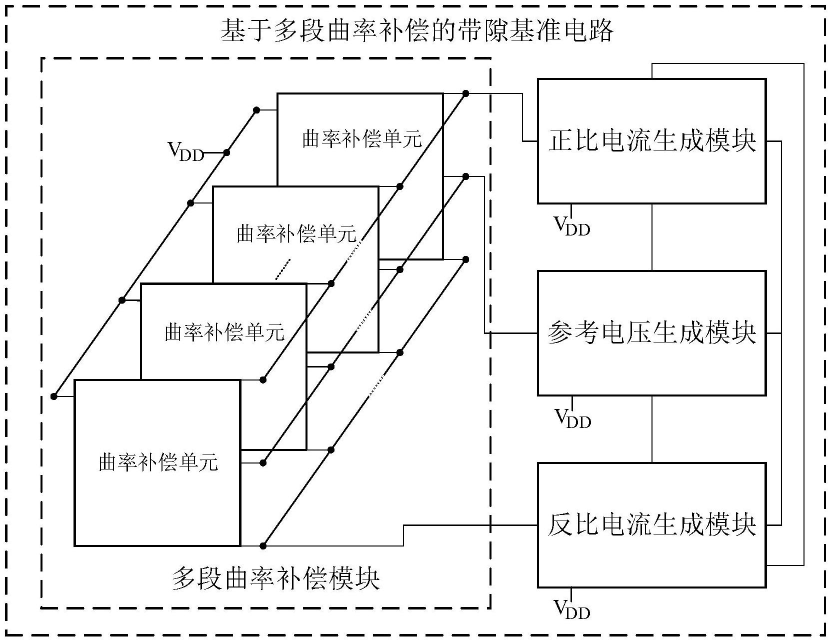
Bandgap reference circuit based on multi-segment curvature compensation and parameter determination method
基於多段曲率補償的帶隙基準電路以及參數確定方法
Publication No.:
CN122837566A
Publication Date:
2026-09-29
Applicant(s):
澳門大學; University of Macau
Inventor(s):
餘志樺; 李照希; 林智聲; Yu, Zhi-Hua; Li Zhaoxi; Lin Zhisheng
Technology Field(s):
控制; Control
The present application provides a multi-segment curvature-compensated bandgap reference circuit and a parameter determination method. The multi-segment curvature-compensated bandgap reference circuit comprises a proportional-to-temperature current generation module, an inversely proportional-to-temperature current generation module, a reference voltage generation module, and a multi-segment curvature compensation module. Each curvature compensation unit in the multi-segment curvature compensation module is configured to evaluate the proportional and inversely proportional currents based on its corresponding compensation-voltage temperature range, thereby identifying a target curvature compensation unit. Under the action of the proportional and inversely proportional currents, the target curvature compensation unit generates a compensation current and outputs it to the reference voltage generation module. The reference voltage generation module generates a reference voltage based on the proportional current, the inversely proportional current, and the compensation current. The present application enables compensation of the reference voltage to be activated within different temperature ranges, thereby accurately correcting its residual curvature and improving compensation accuracy.
Publication No.:
CN122837566A
Publication Date:
2026-09-29
Applicant(s):
澳門大學; University of Macau
Inventor(s):
餘志樺; 李照希; 林智聲; Yu, Zhi-Hua; Li Zhaoxi; Lin Zhisheng
Technology Field(s):
控制; Control
The present application provides a multi-segment curvature-compensated bandgap reference circuit and a parameter determination method. The multi-segment curvature-compensated bandgap reference circuit comprises a proportional-to-temperature current generation module, an inversely proportional-to-temperature current generation module, a reference voltage generation module, and a multi-segment curvature compensation module. Each curvature compensation unit in the multi-segment curvature compensation module is configured to evaluate the proportional and inversely proportional currents based on its corresponding compensation-voltage temperature range, thereby identifying a target curvature compensation unit. Under the action of the proportional and inversely proportional currents, the target curvature compensation unit generates a compensation current and outputs it to the reference voltage generation module. The reference voltage generation module generates a reference voltage based on the proportional current, the inversely proportional current, and the compensation current. The present application enables compensation of the reference voltage to be activated within different temperature ranges, thereby accurately correcting its residual curvature and improving compensation accuracy.