


Latest UM Patents (2026-08-31)
Application of Deoxynyboquinone in preparation of anti-inflammatory drugs or antioxidant drugs [Granted Patent]
Deoxynyboquinone在製備抗炎藥物或抗氧化藥物中的應用 [授權專利]
Publication No.:
CN112451523B
Publication Date:
2026-08-28
Applicant(s):
澳門大學;中國科學院南海海洋研究所;University of Macau; South China Sea Institute of Oceanology, CAS
Inventor(s):
余華;令狐克剛;張長生;張光濤;Yu, Hua; Linghu Kegang; Zhang Changsheng; Zhang Guangtao
Technology Field(s):
製藥; Pharmaceuticals
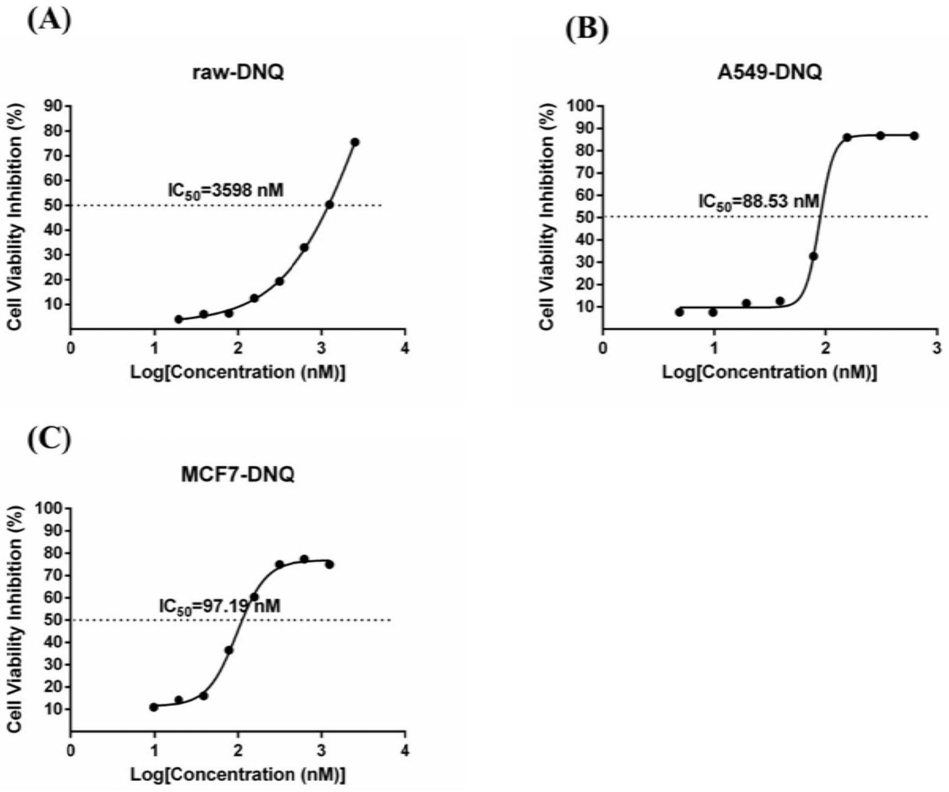
The present invention discloses the use of Deoxynyboquinone in the preparation of anti-inflammatory or antioxidant drugs, belonging to the field of biopharmaceutical technology. Deoxynyboquinone can effectively inhibit inflammatory responses through multiple biological mechanisms and may therefore be used in the preparation of anti-inflammatory drugs. In addition, it possesses antioxidant activity and may be used in the preparation of antioxidant drugs. Pharmaceutical compositions comprising Deoxynyboquinone as an active ingredient exhibit high anti-inflammatory and oxidative stress–reducing activity, demonstrating favorable market potential and value.
Publication No.:
CN112451523B
Publication Date:
2026-08-28
Applicant(s):
澳門大學;中國科學院南海海洋研究所;University of Macau; South China Sea Institute of Oceanology, CAS
Inventor(s):
余華;令狐克剛;張長生;張光濤;Yu, Hua; Linghu Kegang; Zhang Changsheng; Zhang Guangtao
Technology Field(s):
製藥; Pharmaceuticals
The present invention discloses the use of Deoxynyboquinone in the preparation of anti-inflammatory or antioxidant drugs, belonging to the field of biopharmaceutical technology. Deoxynyboquinone can effectively inhibit inflammatory responses through multiple biological mechanisms and may therefore be used in the preparation of anti-inflammatory drugs. In addition, it possesses antioxidant activity and may be used in the preparation of antioxidant drugs. Pharmaceutical compositions comprising Deoxynyboquinone as an active ingredient exhibit high anti-inflammatory and oxidative stress–reducing activity, demonstrating favorable market potential and value.
A photochromic molecule/alumina nano-porous membrane preparation method and its application [Granted Patent]
一種光致變色分子/氧化鋁納米多孔膜的製備方法及其應用 [授權專利]
Publication No.:
CN117304914B
Publication Date:
2026-08-28
Applicant(s):
澳門大學;University of Macau
Inventor(s):
張丹;張宣軍;Zhang, Dan; Zhang Xuanjun
Technology Field(s):
基礎材料化學、測量、有機精細化學; Basic materials chemistry, Measurement, Organic fine chemistry
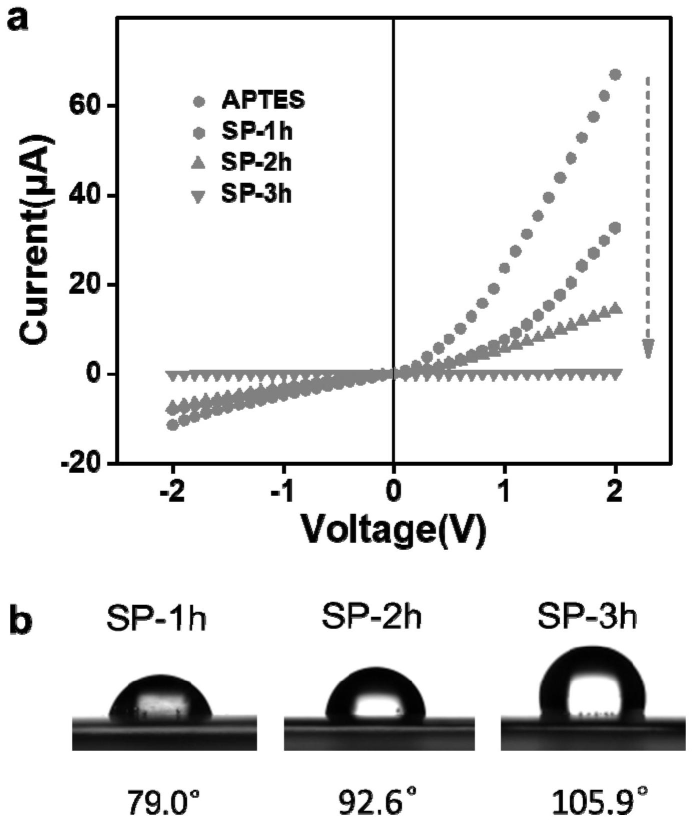
The present invention discloses a method for preparing a photochromic molecule/alumina nanoporous membrane and an application thereof, and belongs to the field of nanomaterial-based detection. The nanopores of the alumina nanoporous membrane are open at one end and sealed at the other, with a nan channel array structure formed therebetween. The sealed end serves as a barrier layer of the alumina nanoporous membrane and, at the microscale, exhibits an array of hemispherical protrusions in a hexagonal close-packed arrangement. The photochromic molecules are grafted onto the open side at the top of the alumina nanoporous membrane and onto the inner walls of the intermediate channels. When spiropyran is used as the photochromic molecule, the resulting spiropyran/alumina nanoporous membrane can be controllably switched, through remote optical control, between an inert reactor and an active reactor for SO₂. This enables the construction of an on-demand detection device capable of long-term storage and real-time detection. Quantitative analysis of SO₂ can be achieved by monitoring the rectification current, thereby providing an entirely new approach for designing other on-demand nanofluidic sensing devices and enabling reliable detection.
Publication No.:
CN117304914B
Publication Date:
2026-08-28
Applicant(s):
澳門大學;University of Macau
Inventor(s):
張丹;張宣軍;Zhang, Dan; Zhang Xuanjun
Technology Field(s):
基礎材料化學、測量、有機精細化學; Basic materials chemistry, Measurement, Organic fine chemistry
The present invention discloses a method for preparing a photochromic molecule/alumina nanoporous membrane and an application thereof, and belongs to the field of nanomaterial-based detection. The nanopores of the alumina nanoporous membrane are open at one end and sealed at the other, with a nan channel array structure formed therebetween. The sealed end serves as a barrier layer of the alumina nanoporous membrane and, at the microscale, exhibits an array of hemispherical protrusions in a hexagonal close-packed arrangement. The photochromic molecules are grafted onto the open side at the top of the alumina nanoporous membrane and onto the inner walls of the intermediate channels. When spiropyran is used as the photochromic molecule, the resulting spiropyran/alumina nanoporous membrane can be controllably switched, through remote optical control, between an inert reactor and an active reactor for SO₂. This enables the construction of an on-demand detection device capable of long-term storage and real-time detection. Quantitative analysis of SO₂ can be achieved by monitoring the rectification current, thereby providing an entirely new approach for designing other on-demand nanofluidic sensing devices and enabling reliable detection.
A near-infrared light excited covalent organic framework photosensitizer and its preparation method and application
一種近紅外光激發的共價有機框架光敏劑及其製備方法與應用
Publication No.:
CN122647682A
Publication Date:
2026-08-28
Applicant(s):
澳門大學;University of Macau
Inventor(s):
余華;令狐克剛;張長生;張光濤;Yu, Hua; Linghu Kegang; Zhang Changsheng; Zhang Guangtao
Technology Field(s):
高分子化學,聚合物、製藥 ; Macromolecular chemistry, polymers, Pharmaceuticals
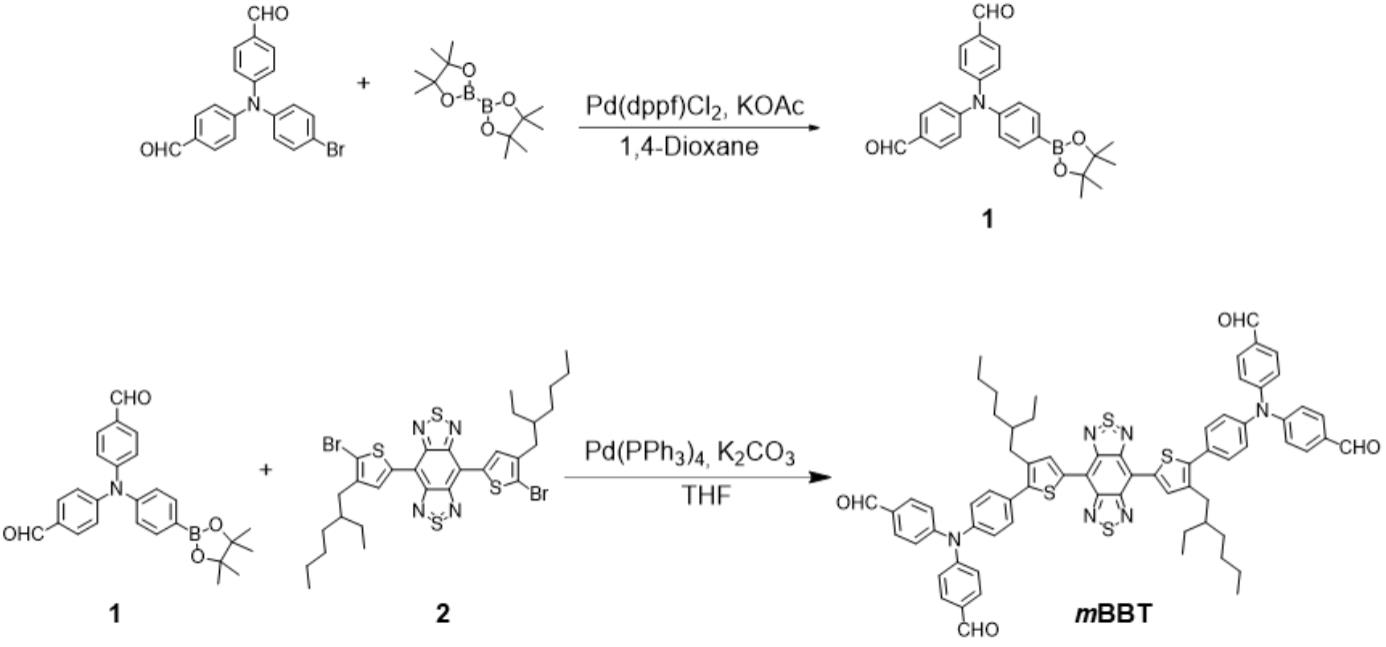
The present invention discloses a near-infrared-light-excited covalent organic framework photosensitizer, as well as a preparation method and applications thereof, and relates to the fields of photosensitive materials and photodynamic therapy. The photosensitizer comprises a nanoscale covalent organic framework structure constructed from near-infrared-absorbing units through periodic topological crosslinking, whereby conformational restriction substantially enhances reactive oxygen species generation efficiency. Under 808 nm laser irradiation, the highly crystalline near-infrared-excited organic photosensitizer produces approximately seven times more reactive oxygen species than its corresponding monomer and exhibits dual Type I/Type II photosensitizing characteristics. The material overcomes the limited photosensitization efficiency of conventional small-molecule photosensitizers caused by disordered aggregation, and its image-guided photodynamic therapeutic effect has been validated in a melanoma mouse model. The photosensitizer of the present invention offers advantages including deep-tissue activation, high stability, and high photosensitization efficiency.
Publication No.:
CN122647682A
Publication Date:
2026-08-28
Applicant(s):
澳門大學;University of Macau
Inventor(s):
余華;令狐克剛;張長生;張光濤;Yu, Hua; Linghu Kegang; Zhang Changsheng; Zhang Guangtao
Technology Field(s):
高分子化學,聚合物、製藥 ; Macromolecular chemistry, polymers, Pharmaceuticals
The present invention discloses a near-infrared-light-excited covalent organic framework photosensitizer, as well as a preparation method and applications thereof, and relates to the fields of photosensitive materials and photodynamic therapy. The photosensitizer comprises a nanoscale covalent organic framework structure constructed from near-infrared-absorbing units through periodic topological crosslinking, whereby conformational restriction substantially enhances reactive oxygen species generation efficiency. Under 808 nm laser irradiation, the highly crystalline near-infrared-excited organic photosensitizer produces approximately seven times more reactive oxygen species than its corresponding monomer and exhibits dual Type I/Type II photosensitizing characteristics. The material overcomes the limited photosensitization efficiency of conventional small-molecule photosensitizers caused by disordered aggregation, and its image-guided photodynamic therapeutic effect has been validated in a melanoma mouse model. The photosensitizer of the present invention offers advantages including deep-tissue activation, high stability, and high photosensitization efficiency.
Microinjection system and injection method
微注射系統及注射方法
Publication No.:
CN122648202A
Publication Date:
2026-08-28
Applicant(s):
澳門大學;University of Macau
Inventor(s):
徐青松;郭中義;Xu Qingsong; Guo Zhongyi
Technology Field(s):
生物技術、其他專用機械、電腦技術; Biotechnology, Other special machines, Computer technology
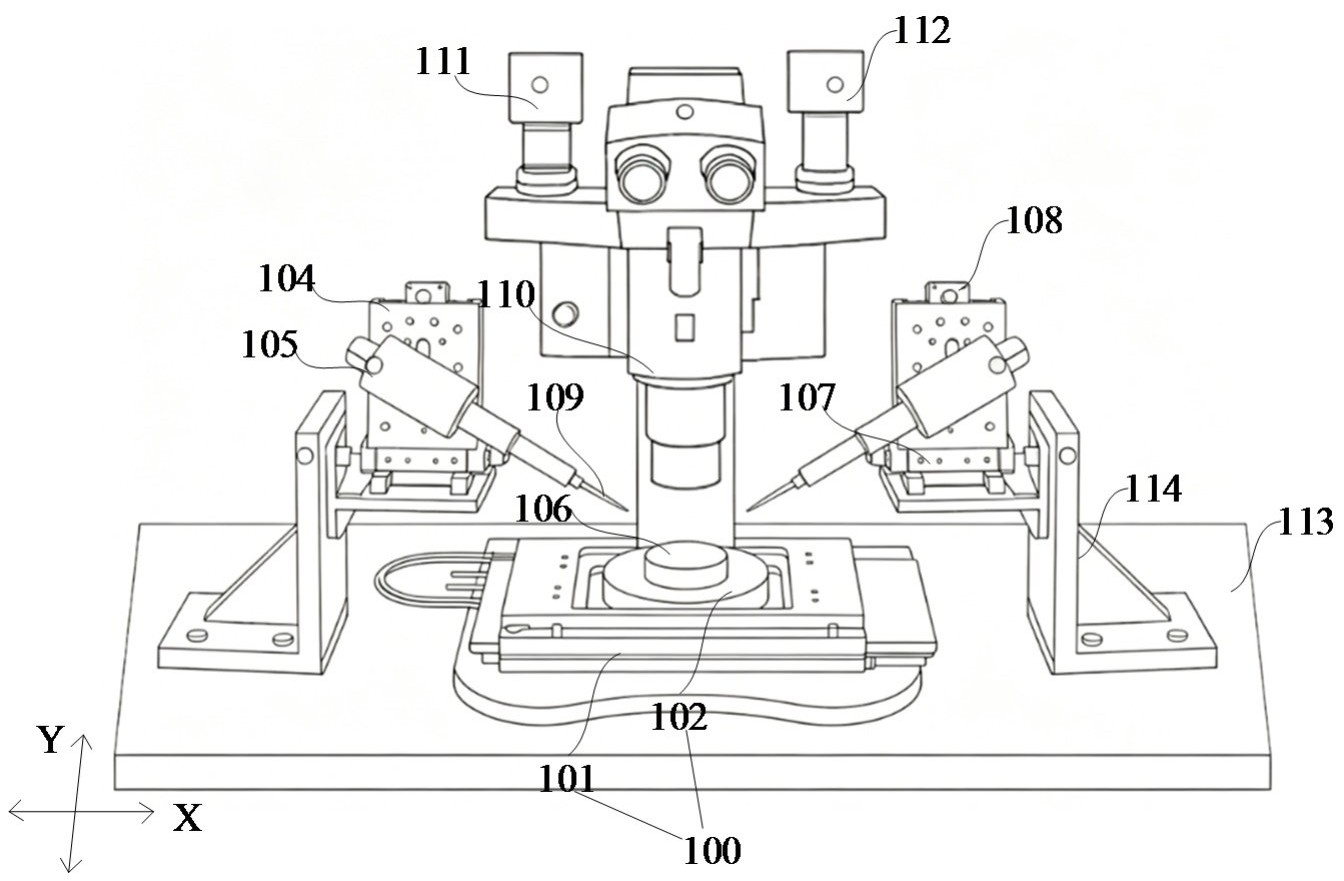
The present application relates to the field of microinjection technology, and more particularly to a microinjection system and an injection method. The microinjection apparatus comprises a movable stage, at least two robotic arms, and an injector provided at the distal end of each robotic arm. The movable stage comprises a horizontal movement platform and a rotation platform. The rotation platform is disposed on the horizontal movement platform and is configured to support a culture dish containing at least two different types of samples. The rotation axis of the rotation platform is vertically oriented. The horizontal movement platform is configured to drive the rotation platform to move in mutually perpendicular horizontal X and Y directions. The number of injectors is the same as the number of sample types, and the at least two robotic arms respectively drive the injectors at their distal ends to perform injection operations on respective sample types. The present application enables samples of multiple types to be injected in the same culture dish, thereby substantially improving the efficiency of microinjection operations.
Publication No.:
CN122648202A
Publication Date:
2026-08-28
Applicant(s):
澳門大學;University of Macau
Inventor(s):
徐青松;郭中義;Xu Qingsong; Guo Zhongyi
Technology Field(s):
生物技術、其他專用機械、電腦技術; Biotechnology, Other special machines, Computer technology
The present application relates to the field of microinjection technology, and more particularly to a microinjection system and an injection method. The microinjection apparatus comprises a movable stage, at least two robotic arms, and an injector provided at the distal end of each robotic arm. The movable stage comprises a horizontal movement platform and a rotation platform. The rotation platform is disposed on the horizontal movement platform and is configured to support a culture dish containing at least two different types of samples. The rotation axis of the rotation platform is vertically oriented. The horizontal movement platform is configured to drive the rotation platform to move in mutually perpendicular horizontal X and Y directions. The number of injectors is the same as the number of sample types, and the at least two robotic arms respectively drive the injectors at their distal ends to perform injection operations on respective sample types. The present application enables samples of multiple types to be injected in the same culture dish, thereby substantially improving the efficiency of microinjection operations.
NEW VENOM POLYPEPTIDE-DENDRIMER COMPLEX, AND PREPARATION METHOD THEREFOR AND USE THEREOF
一種新型毒液多肽複合樹枝狀大分子及其製備方法與應用
Publication No.:
WO2026174646A1
Publication Date:
2026-08-27
Applicant(s):
澳門大學;University of Macau
Inventor(s):
郭珩輝;秦海心;何丹桂;Kwok, Hang Fai; Qin, Haixin; He, Dangui
Technology Field(s):
生物技術、微結構與奈米技術、製藥; Biotechnology, Micro-structural and nano-technology, Pharmaceuticals
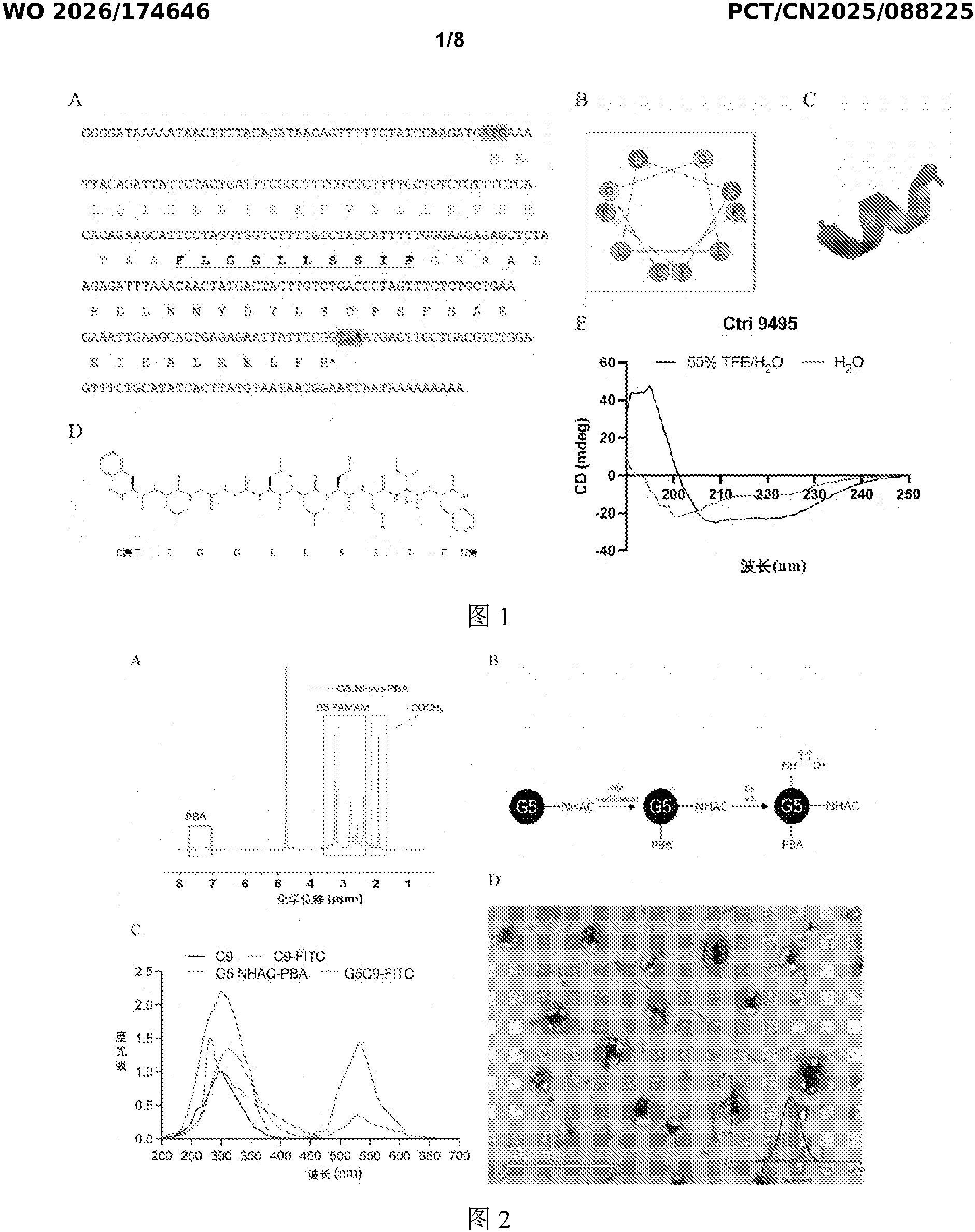
Provided are a novel venom peptide–dendrimer complex, and methods for its preparation and use. In particular, a scorpion venom peptide is provided, wherein the amino acid sequence of the scorpion venom peptide is FLGGLLSSIF. A novel scorpion venom peptide, designated C9, was isolated and identified, and a novel peptide–poly(amidoamine) dendrimer complex, G5C9 (i.e., a nanoparticle), having glioblastoma (GBM)-targeting activity was constructed. Compared with peptide C9 alone, G5C9 exhibits significantly enhanced cellular uptake efficiency. G5C9 enters cells via endocytosis and targets lysosomes, thereby inhibiting lysosomal function and mTORC1, promoting the nuclear translocation of TFEB, and consequently inducing autophagic cell death. Accordingly, G5C9 provides a novel targeted anti-GBM approach both in vitro and in vivo.
Publication No.:
WO2026174646A1
Publication Date:
2026-08-27
Applicant(s):
澳門大學;University of Macau
Inventor(s):
郭珩輝;秦海心;何丹桂;Kwok, Hang Fai; Qin, Haixin; He, Dangui
Technology Field(s):
生物技術、微結構與奈米技術、製藥; Biotechnology, Micro-structural and nano-technology, Pharmaceuticals
Provided are a novel venom peptide–dendrimer complex, and methods for its preparation and use. In particular, a scorpion venom peptide is provided, wherein the amino acid sequence of the scorpion venom peptide is FLGGLLSSIF. A novel scorpion venom peptide, designated C9, was isolated and identified, and a novel peptide–poly(amidoamine) dendrimer complex, G5C9 (i.e., a nanoparticle), having glioblastoma (GBM)-targeting activity was constructed. Compared with peptide C9 alone, G5C9 exhibits significantly enhanced cellular uptake efficiency. G5C9 enters cells via endocytosis and targets lysosomes, thereby inhibiting lysosomal function and mTORC1, promoting the nuclear translocation of TFEB, and consequently inducing autophagic cell death. Accordingly, G5C9 provides a novel targeted anti-GBM approach both in vitro and in vivo.
An anti-burning foam material and its preparation method and application [Granted Patent]
一種抗燒泡沫材料及其製備方法和應用 [授權專利]
Publication No.:
CN118436948B
Publication Date:
2026-08-25
Applicant(s):
澳門大學;University of Macau
Inventor(s):
孫國星;鄭婷勻;Sun Guoxing; Zheng Tingjun
Technology Field(s):
工具機; Machine tools
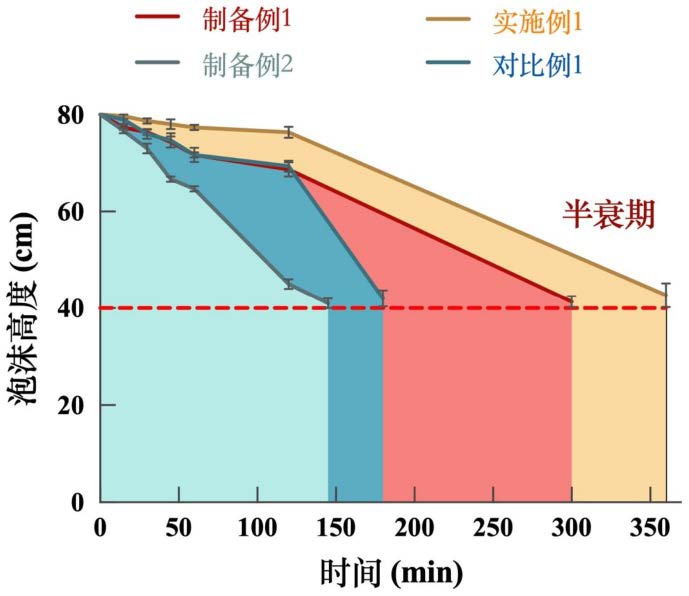
The present invention discloses a fire-resistant foam material, as well as a preparation method and use thereof, and belongs to the technical field of composite materials. The fire-resistant foam material comprises the following raw materials, in parts by mass: 1–40 parts of gypsum, 1–50 parts of a foam stabilizer, 1–50 parts of a foaming agent, 1–80 parts of an auxiliary agent, and 10–150 parts of water. The foam stabilizer is selected from nanoparticles having an average particle size of 1–100 nm. According to the present invention, gypsum is incorporated into the fire-resistant foam material. Upon exposure to high temperatures, gypsum absorbs heat and releases water vapor through evaporation of its water of crystallization, thereby imparting favorable flame-retardant properties to the foam material. In addition, gypsum is dispersed at the Plateau borders of the foam to form bridging structures, thereby enhancing foam stability and reducing damage to the foam structure upon heating. In combination with the physical barrier formed by nanoparticles dispersed on the foam surface, the material can effectively stabilize the foam and improve fire-extinguishing performance.
Publication No.:
CN118436948B
Publication Date:
2026-08-25
Applicant(s):
澳門大學;University of Macau
Inventor(s):
孫國星;鄭婷勻;Sun Guoxing; Zheng Tingjun
Technology Field(s):
工具機; Machine tools
The present invention discloses a fire-resistant foam material, as well as a preparation method and use thereof, and belongs to the technical field of composite materials. The fire-resistant foam material comprises the following raw materials, in parts by mass: 1–40 parts of gypsum, 1–50 parts of a foam stabilizer, 1–50 parts of a foaming agent, 1–80 parts of an auxiliary agent, and 10–150 parts of water. The foam stabilizer is selected from nanoparticles having an average particle size of 1–100 nm. According to the present invention, gypsum is incorporated into the fire-resistant foam material. Upon exposure to high temperatures, gypsum absorbs heat and releases water vapor through evaporation of its water of crystallization, thereby imparting favorable flame-retardant properties to the foam material. In addition, gypsum is dispersed at the Plateau borders of the foam to form bridging structures, thereby enhancing foam stability and reducing damage to the foam structure upon heating. In combination with the physical barrier formed by nanoparticles dispersed on the foam surface, the material can effectively stabilize the foam and improve fire-extinguishing performance.
A method for recycling activated sludge [Granted Patent]
一種活性污泥的資源化處理方法 [授權專利]
Publication No.:
CN118908533B
Publication Date:
2026-08-25
Applicant(s):
澳門大學;University of Macau
Inventor(s):
張聰;錢光升;郝天偉;Zhang, Cong; Qian Guangsheng; Hao Tianwei
Technology Field(s):
生物技術、環境技術; Biotechnology, Environmental technology
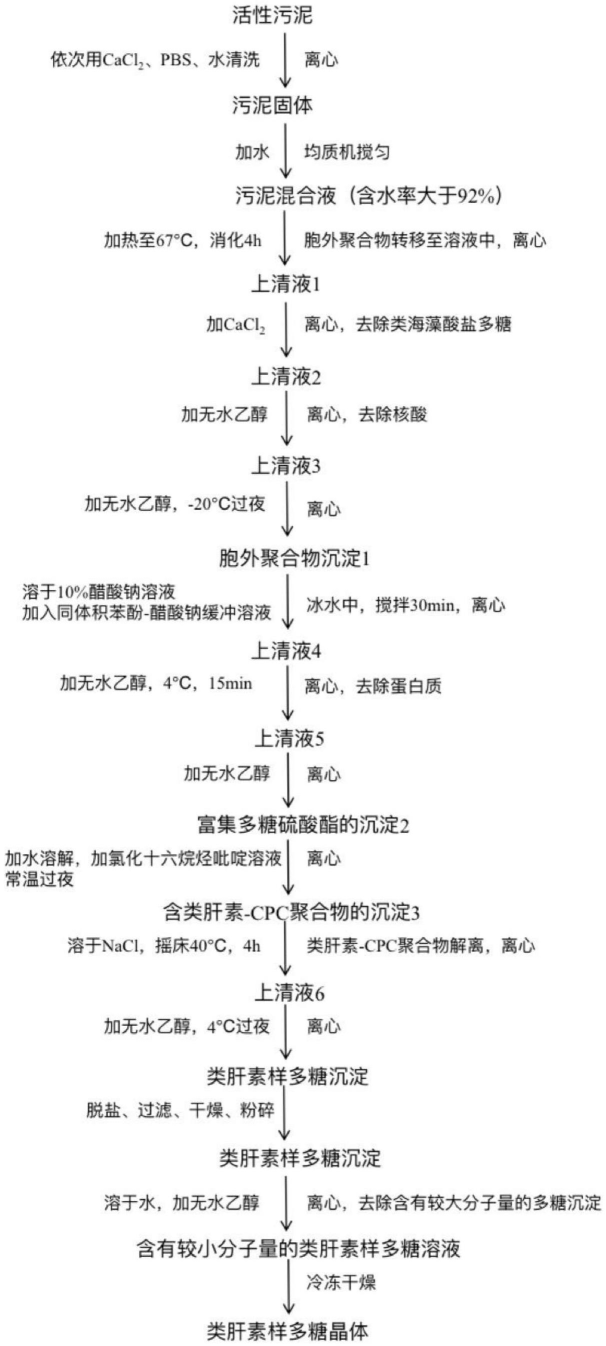
The present invention relates to the field of wastewater biotechnology and discloses a method for the resource-oriented treatment of activated sludge. The method comprises the following steps: washing activated sludge to obtain settled sludge; mixing the settled sludge with water to obtain a suspension; digesting the suspension and separating it to obtain a first supernatant and a sludge residue; treating the first supernatant with a calcium salt solution and an alcohol solvent to remove impurities and obtain a first precipitate; dissolving and separating the first precipitate to obtain a second supernatant; treating the second supernatant with an alcohol solvent to remove impurities and obtain a second precipitate; dissolving and separating the second precipitate to obtain a third precipitate; dissolving and separating the third precipitate to obtain a third supernatant; treating the third supernatant with an alcohol solvent to remove impurities and obtain a fourth precipitate; and purifying the fourth precipitate to obtain a heparin-like polysaccharide. The method provides effective impurity removal and a high polysaccharide yield. The separated sludge residue may be used for methane-producing fermentation, and the resulting heparin-like polysaccharide has coagulation-related activity and anticancer potential similar to those of commercially available heparin, thereby providing high application value.
Publication No.:
CN118908533B
Publication Date:
2026-08-25
Applicant(s):
澳門大學;University of Macau
Inventor(s):
張聰;錢光升;郝天偉;Zhang, Cong; Qian Guangsheng; Hao Tianwei
Technology Field(s):
生物技術、環境技術; Biotechnology, Environmental technology
The present invention relates to the field of wastewater biotechnology and discloses a method for the resource-oriented treatment of activated sludge. The method comprises the following steps: washing activated sludge to obtain settled sludge; mixing the settled sludge with water to obtain a suspension; digesting the suspension and separating it to obtain a first supernatant and a sludge residue; treating the first supernatant with a calcium salt solution and an alcohol solvent to remove impurities and obtain a first precipitate; dissolving and separating the first precipitate to obtain a second supernatant; treating the second supernatant with an alcohol solvent to remove impurities and obtain a second precipitate; dissolving and separating the second precipitate to obtain a third precipitate; dissolving and separating the third precipitate to obtain a third supernatant; treating the third supernatant with an alcohol solvent to remove impurities and obtain a fourth precipitate; and purifying the fourth precipitate to obtain a heparin-like polysaccharide. The method provides effective impurity removal and a high polysaccharide yield. The separated sludge residue may be used for methane-producing fermentation, and the resulting heparin-like polysaccharide has coagulation-related activity and anticancer potential similar to those of commercially available heparin, thereby providing high application value.
An aerosol inhalation drug delivery system
一種霧化吸入給藥系統
Publication No.:
CN122624782A
Publication Date:
2026-08-25
Applicant(s):
澳門大學;University of Macau
Inventor(s):
鄭穎;田喜東;劉子銘;Zheng Ying; Tian Xidong; Liu Ziming
Technology Field(s):
醫療技術; Medical technology
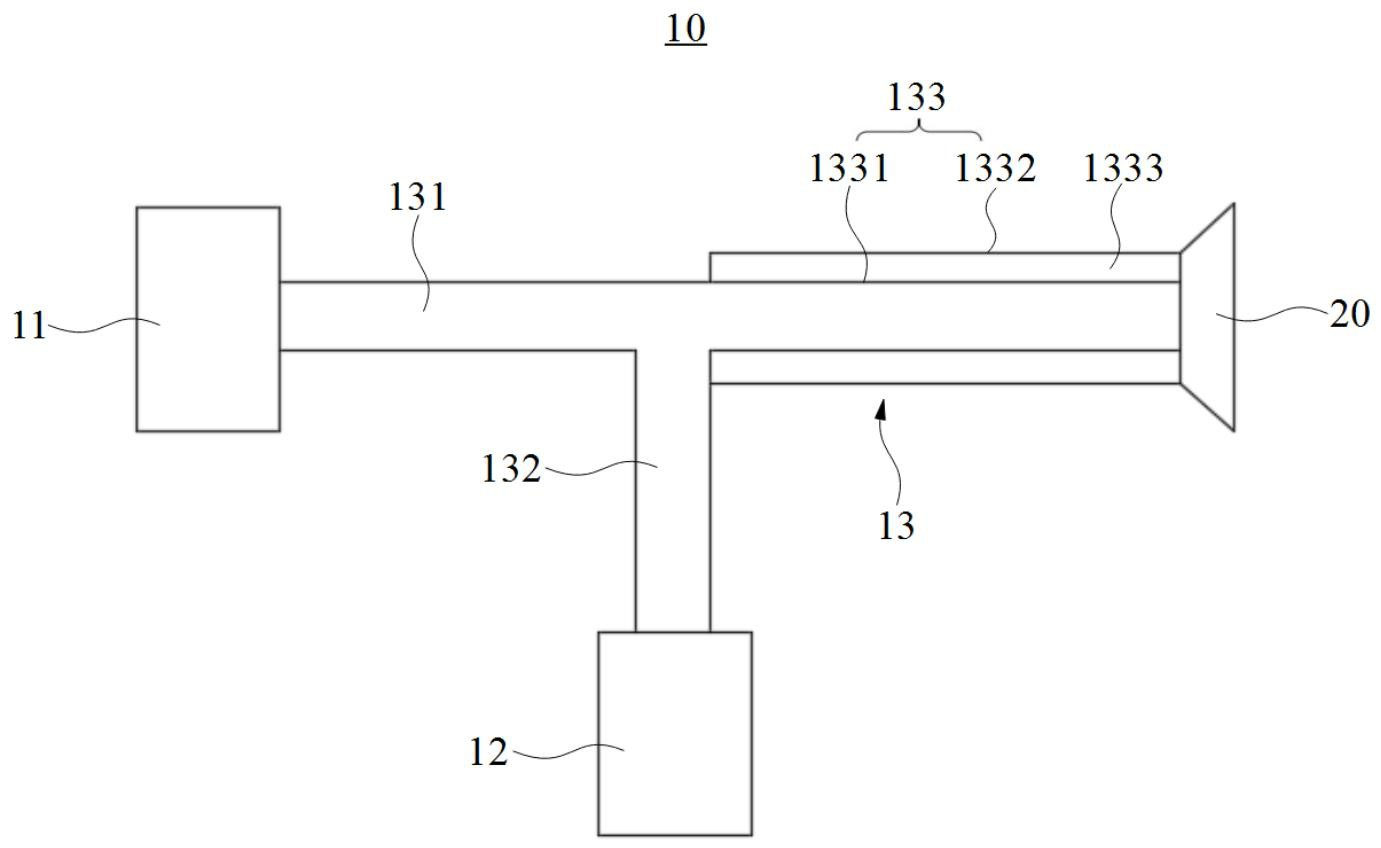
The present application provides a nebulized inhalation drug delivery system, relating to the field of medical devices. The nebulized inhalation drug delivery system comprises a gas generating device, a vibrating mesh nebulizer, and a carrier-gas conduit. The gas generating device is configured to generate a hydrogen-oxygen mixed gas at a predetermined volumetric ratio, and the vibrating mesh nebulizer is configured to atomize a medicinal liquid. The carrier-gas conduit comprises a first inlet section, a second inlet section, and a first outlet section, the respective ends of which are integrally connected. The other end of the first inlet section is connected to the gas generating device, the other end of the second inlet section is connected to the vibrating mesh nebulizer, and the other end of the first outlet section is configured to be connected to an inhaler. The nebulized inhalation drug delivery system can deliver a drug to deeper bronchial regions of the lungs while reducing drug deposition in the oropharynx.
Publication No.:
CN122624782A
Publication Date:
2026-08-25
Applicant(s):
澳門大學;University of Macau
Inventor(s):
鄭穎;田喜東;劉子銘;Zheng Ying; Tian Xidong; Liu Ziming
Technology Field(s):
醫療技術; Medical technology
The present application provides a nebulized inhalation drug delivery system, relating to the field of medical devices. The nebulized inhalation drug delivery system comprises a gas generating device, a vibrating mesh nebulizer, and a carrier-gas conduit. The gas generating device is configured to generate a hydrogen-oxygen mixed gas at a predetermined volumetric ratio, and the vibrating mesh nebulizer is configured to atomize a medicinal liquid. The carrier-gas conduit comprises a first inlet section, a second inlet section, and a first outlet section, the respective ends of which are integrally connected. The other end of the first inlet section is connected to the gas generating device, the other end of the second inlet section is connected to the vibrating mesh nebulizer, and the other end of the first outlet section is configured to be connected to an inhaler. The nebulized inhalation drug delivery system can deliver a drug to deeper bronchial regions of the lungs while reducing drug deposition in the oropharynx.
A ruthenium (II) complex and its application in specific recognition of non-G4 single-stranded DNA
一種釕(Ⅱ)配合物及其在特異性識別非G4單鏈DNA中的應用
Publication No.:
CN122628095A
Publication Date:
2026-08-25
Applicant(s):
西北工業大學;澳門大學;Northwestern Polytechnical University; University of Macau
Inventor(s):
王萬河;梁重恆;王京;吳曉蕾;吳甲;Wang Wanhe; Liang Zhongheng; Wang Jing; Wu Xiaolei; Wu Jia
Technology Field(s):
有機精細化學、基礎材料化學、測量 ; Organic fine chemistry, Basic materials chemistry, Measurement
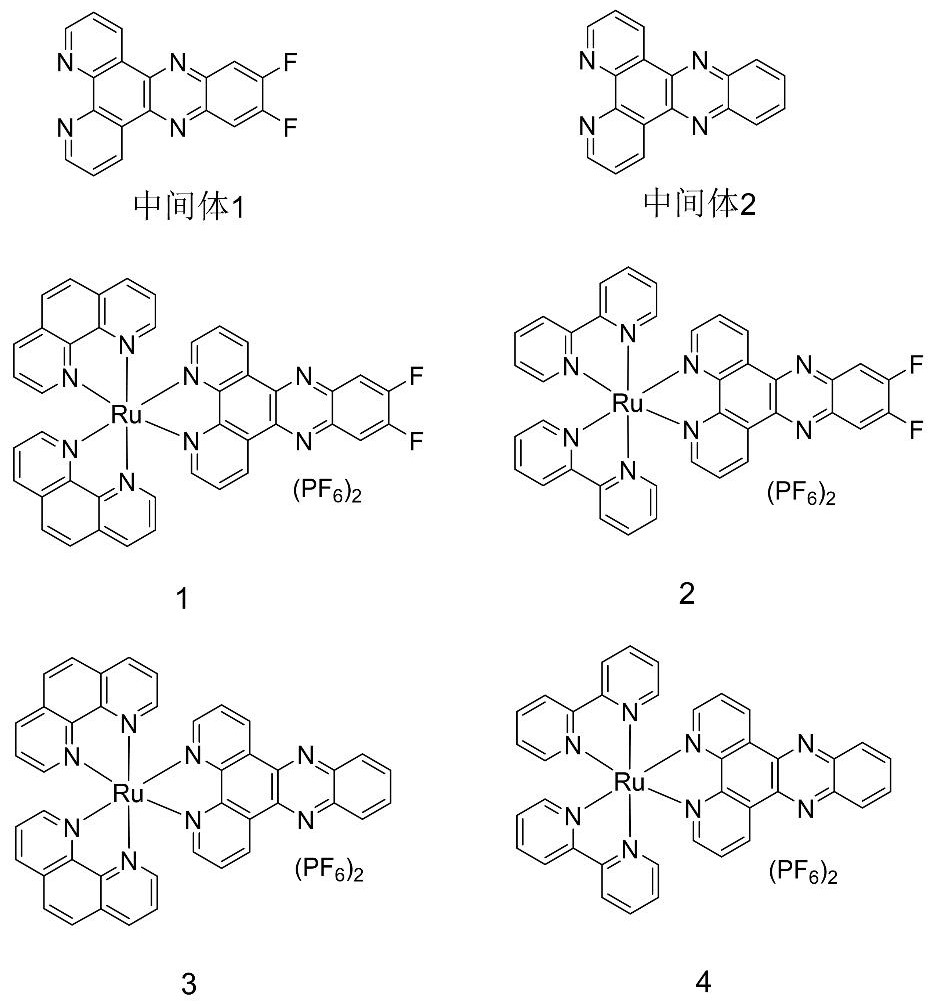
The present invention relates to ruthenium(II) complexes and their use in the specific recognition of non-G4 single-stranded DNA. The ruthenium(II) complexes have the structures represented by Formulae 1, 2, 3, and 4. The complexes may be used for the specific recognition of non-G4 single-stranded DNA. The invention enables selective recognition of non-G4 single-stranded DNA, with virtually no response to G4 DNA, G3 DNA, or double-stranded DNA, thereby substantially reducing background interference. Upon binding to the target single-stranded DNA, the complexes exhibit a marked fluorescence enhancement. In particular, fluorine-substituted Complexes 1 and 2 show more than 30- to 40-fold enhancement in luminescence, providing strong signals and high detection sensitivity. The synthesized products were characterized by NMR spectroscopy, mass spectrometry, and HPLC, confirming accurate structures, purity of at least 95%, and stable batch-to-batch performance. The complexes are suitable for biosensing and bioimaging applications. A label-free DNA detection approach is employed, and the complexes can operate in physiological buffer systems such as Tris and PBS, offering simple operation and suitability for biological sample analysis.
Publication No.:
CN122628095A
Publication Date:
2026-08-25
Applicant(s):
西北工業大學;澳門大學;Northwestern Polytechnical University; University of Macau
Inventor(s):
王萬河;梁重恆;王京;吳曉蕾;吳甲;Wang Wanhe; Liang Zhongheng; Wang Jing; Wu Xiaolei; Wu Jia
Technology Field(s):
有機精細化學、基礎材料化學、測量 ; Organic fine chemistry, Basic materials chemistry, Measurement
The present invention relates to ruthenium(II) complexes and their use in the specific recognition of non-G4 single-stranded DNA. The ruthenium(II) complexes have the structures represented by Formulae 1, 2, 3, and 4. The complexes may be used for the specific recognition of non-G4 single-stranded DNA. The invention enables selective recognition of non-G4 single-stranded DNA, with virtually no response to G4 DNA, G3 DNA, or double-stranded DNA, thereby substantially reducing background interference. Upon binding to the target single-stranded DNA, the complexes exhibit a marked fluorescence enhancement. In particular, fluorine-substituted Complexes 1 and 2 show more than 30- to 40-fold enhancement in luminescence, providing strong signals and high detection sensitivity. The synthesized products were characterized by NMR spectroscopy, mass spectrometry, and HPLC, confirming accurate structures, purity of at least 95%, and stable batch-to-batch performance. The complexes are suitable for biosensing and bioimaging applications. A label-free DNA detection approach is employed, and the complexes can operate in physiological buffer systems such as Tris and PBS, offering simple operation and suitability for biological sample analysis.
A multi-mode microwave pressure sensor and multi-parameter decoupling measurement method
一種多模態微波壓力傳感器及多參數解耦測量方法
Publication No.:
CN122631251A
Publication Date:
2026-08-25
Applicant(s):
澳門大學;University of Macau
Inventor(s):
譚錦榮;張卓威;趙智豪;Tan Jinrong; Zhang Zhuowei; Zhao Zhihao
Technology Field(s):
測量; Measurement
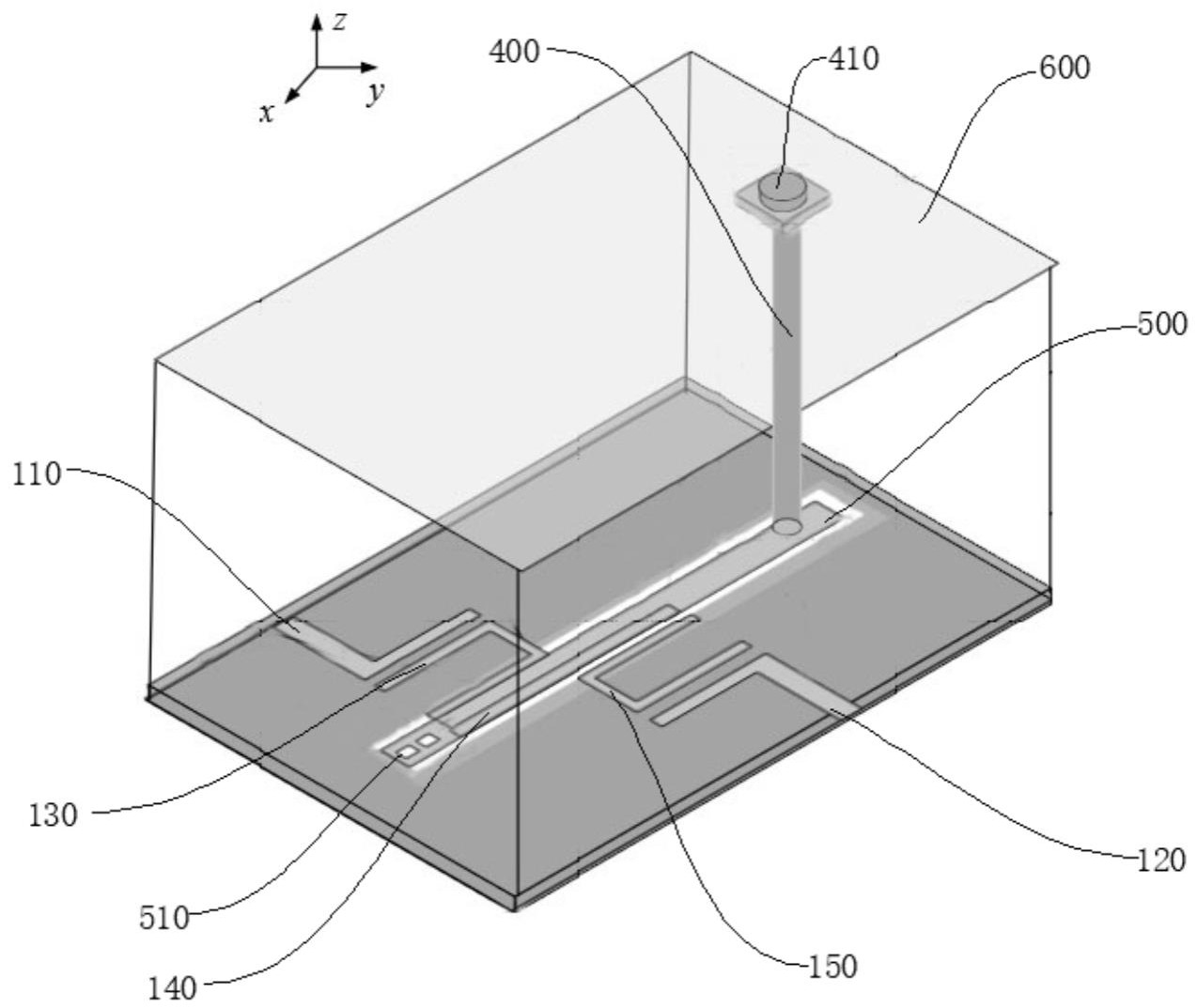
The present application discloses a multimodal microwave sensor and a method for decoupled measurement of multiple parameters. The sensor comprises a first metal layer, a dielectric layer, a second metal layer, and a transmission member. The first metal layer is provided with a first microstrip feed line, a second microstrip feed line, and a trimode resonant coupling structure. By connecting the transmission member to a cantilever beam, the nonuniform elastic deformation of the cantilever beam under pressure causes corresponding asymmetric coupling changes in the trimode resonant coupling structure. This simultaneously induces two independently responsive sensing parameters: a change in resonant-frequency difference and a change in transmission amplitude. Accordingly, dual-parameter integrated sensing can be achieved without additional circuitry. The disclosed sensor effectively suppresses temperature drift and environmental electromagnetic interference, thereby improving the interference resistance and measurement reliability of the microwave pressure sensor, as well as the accuracy of pressure measurement and the operational stability of the device.
Publication No.:
CN122631251A
Publication Date:
2026-08-25
Applicant(s):
澳門大學;University of Macau
Inventor(s):
譚錦榮;張卓威;趙智豪;Tan Jinrong; Zhang Zhuowei; Zhao Zhihao
Technology Field(s):
測量; Measurement
The present application discloses a multimodal microwave sensor and a method for decoupled measurement of multiple parameters. The sensor comprises a first metal layer, a dielectric layer, a second metal layer, and a transmission member. The first metal layer is provided with a first microstrip feed line, a second microstrip feed line, and a trimode resonant coupling structure. By connecting the transmission member to a cantilever beam, the nonuniform elastic deformation of the cantilever beam under pressure causes corresponding asymmetric coupling changes in the trimode resonant coupling structure. This simultaneously induces two independently responsive sensing parameters: a change in resonant-frequency difference and a change in transmission amplitude. Accordingly, dual-parameter integrated sensing can be achieved without additional circuitry. The disclosed sensor effectively suppresses temperature drift and environmental electromagnetic interference, thereby improving the interference resistance and measurement reliability of the microwave pressure sensor, as well as the accuracy of pressure measurement and the operational stability of the device.
Anti-offset coil array structure and two-channel resonant circuit
抗偏移線圈陣列結構以及雙通道諧振電路
Publication No.:
CN122639527A
Publication Date:
2026-08-25
Applicant(s):
澳門大學;University of Macau
Inventor(s):
林智聲;吳元超;任耀華;Lin Zhisheng; Wu Yuanchao; Ren Yaohua
Technology Field(s):
電機、設備、能源、運輸; Electrical machinery, apparatus, energy, Transport
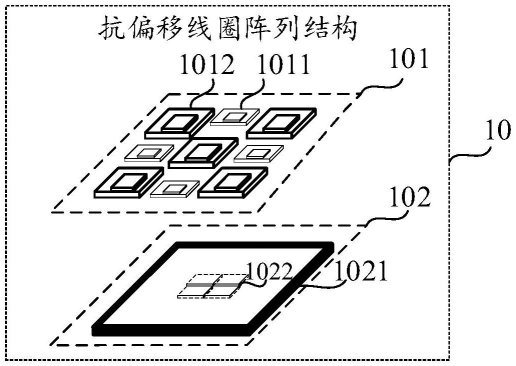
The present application provides a misalignment-tolerant coil array structure and a dual-channel resonant circuit, belonging to the technical field of electric vehicles. The structure comprises a receiving coil array and a transmitter. The receiving coil array and the transmitter are arranged in parallel, with a predetermined distance between the plane of the receiving coil array and the plane of the transmitter. Each first receiving coil in the receiving coil array is magnetically coupled to a transmitting coil of the transmitter, and each second receiving coil in the receiving coil array is also magnetically coupled to the transmitting coil. As the horizontal offset between the receiving coil array and the transmitter increases, a first mutual inductance between each first receiving coil and the transmitting coil increases, while a second mutual inductance between each second receiving coil and the transmitting coil decreases, such that the total mutual inductance of the misalignment-tolerant coil array structure remains constant. The present application can reduce the size of the misalignment-tolerant coil array structure and improve the misalignment tolerance of a wireless charging system.
Publication No.:
CN122639527A
Publication Date:
2026-08-25
Applicant(s):
澳門大學;University of Macau
Inventor(s):
林智聲;吳元超;任耀華;Lin Zhisheng; Wu Yuanchao; Ren Yaohua
Technology Field(s):
電機、設備、能源、運輸; Electrical machinery, apparatus, energy, Transport
The present application provides a misalignment-tolerant coil array structure and a dual-channel resonant circuit, belonging to the technical field of electric vehicles. The structure comprises a receiving coil array and a transmitter. The receiving coil array and the transmitter are arranged in parallel, with a predetermined distance between the plane of the receiving coil array and the plane of the transmitter. Each first receiving coil in the receiving coil array is magnetically coupled to a transmitting coil of the transmitter, and each second receiving coil in the receiving coil array is also magnetically coupled to the transmitting coil. As the horizontal offset between the receiving coil array and the transmitter increases, a first mutual inductance between each first receiving coil and the transmitting coil increases, while a second mutual inductance between each second receiving coil and the transmitting coil decreases, such that the total mutual inductance of the misalignment-tolerant coil array structure remains constant. The present application can reduce the size of the misalignment-tolerant coil array structure and improve the misalignment tolerance of a wireless charging system.
An analog-to-digital converter having sub-range ring oscillator time-to-digital converter
一種具有子量程環形振盪器時間數字轉換器的模數轉換器
Publication No.:
CN122639931A
Publication Date:
2026-08-25
Applicant(s):
橫琴粵澳深度合作區澳門大學高等研究院(橫琴澳門大學高等研究院);University of Macau Advanced Research Institute in Hengqin (HUMRI)
Inventor(s):
郭銘強;汪宜蒙;冼世榮;Guo Mingqiang; Wang Yi Meng; Xian, Shi-Rong
Technology Field(s):
基本通訊流程、測量; Basic communication processes, Measurement
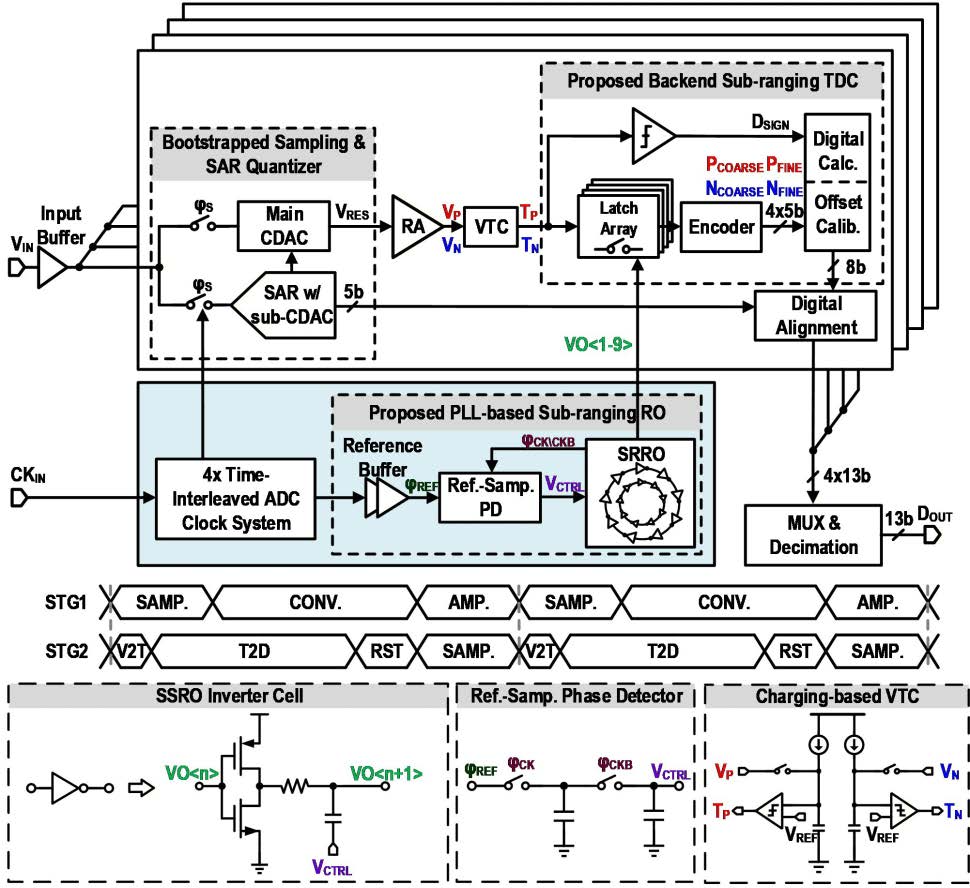
The present invention pertains to the field of integrated circuits and discloses an analog-to-digital converter (ADC) incorporating a phase-locked-loop-based subrange ring-oscillator time-to-digital converter (TDC). The ADC employs a multi-channel time-interleaved architecture. At the front end, coarse quantization in the voltage domain is performed using a successive-approximation-register (SAR) circuit. The residual signal is amplified and converted from voltage to time, after which fine quantization in the time domain is performed by a back-end subrange ring-oscillator TDC. The design introduces RS-PL closed-loop control of the SRRO and uses a phase-locked loop for frequency multiplication. High resolution can be achieved using only two N-stage ring oscillators and a locking circuit. Frequency drift caused by process, voltage, and temperature (PVT) variations is compensated, thereby addressing the susceptibility of the minimum quantization time step in conventional TDCs to drift. A coarse-and-fine dual-loop subrange architecture, in combination with an all-digital calibration circuit, corrects boundary-crossing errors and phase-offset errors, thereby improving quantization accuracy. The entire oscillation source can be shared among multiple channels, effectively reducing hardware area and power consumption. The device features high speed, low power consumption, and strong interference immunity, making it suitable for high-speed communication applications.
Publication No.:
CN122639931A
Publication Date:
2026-08-25
Applicant(s):
橫琴粵澳深度合作區澳門大學高等研究院(橫琴澳門大學高等研究院);University of Macau Advanced Research Institute in Hengqin (HUMRI)
Inventor(s):
郭銘強;汪宜蒙;冼世榮;Guo Mingqiang; Wang Yi Meng; Xian, Shi-Rong
Technology Field(s):
基本通訊流程、測量; Basic communication processes, Measurement
The present invention pertains to the field of integrated circuits and discloses an analog-to-digital converter (ADC) incorporating a phase-locked-loop-based subrange ring-oscillator time-to-digital converter (TDC). The ADC employs a multi-channel time-interleaved architecture. At the front end, coarse quantization in the voltage domain is performed using a successive-approximation-register (SAR) circuit. The residual signal is amplified and converted from voltage to time, after which fine quantization in the time domain is performed by a back-end subrange ring-oscillator TDC. The design introduces RS-PL closed-loop control of the SRRO and uses a phase-locked loop for frequency multiplication. High resolution can be achieved using only two N-stage ring oscillators and a locking circuit. Frequency drift caused by process, voltage, and temperature (PVT) variations is compensated, thereby addressing the susceptibility of the minimum quantization time step in conventional TDCs to drift. A coarse-and-fine dual-loop subrange architecture, in combination with an all-digital calibration circuit, corrects boundary-crossing errors and phase-offset errors, thereby improving quantization accuracy. The entire oscillation source can be shared among multiple channels, effectively reducing hardware area and power consumption. The device features high speed, low power consumption, and strong interference immunity, making it suitable for high-speed communication applications.