


Latest UM Patents (2026-08-24)
Voltage conversion circuit, voltage converter and voltage conversion method [Granted Patent]
電壓轉換電路、電壓轉換器及電壓轉換方法 [授權專利]
Publication No.:
CN115955110B
Publication Date:
2026-08-21
Applicant(s):
澳門大學; University of Macau
Inventor(s):
王遠飛;黃沫;路延;馬許願;Wang Yuanfei; Huang Mo; Lu Yan; Rui Paulo da Silva Martins
Technology Field(s):
電機、設備、能源;Electrical machinery, apparatus, energy
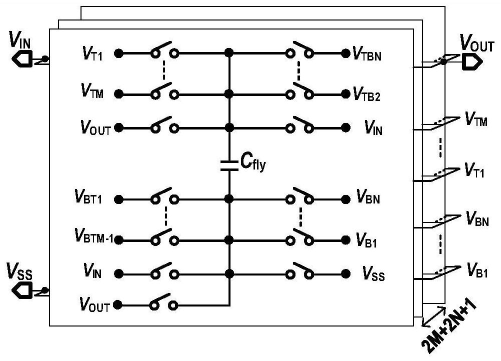
The present application provides a voltage conversion circuit, a voltage converter, and a voltage conversion method in the field of circuit technology. In the voltage conversion circuit, respective first terminals of the first, second, third, and fourth power devices in a plurality of voltage conversion units are interconnected. In each voltage conversion unit, the other terminals of M first power devices and N−1 second power devices are connected to one terminal of an energy-storage unit, while the other terminals of M−1 third power devices and N fourth power devices are connected to the other terminal of the energy-storage unit. One terminal of a second input power device is connected to a voltage input terminal; one terminal of a second output power device is connected to a voltage output terminal; and one terminal of a reference power device is further connected to a reference-voltage terminal. The other terminals of the second input power device, the second output power device, and the reference power device are all connected to the other terminal of the energy-storage unit. The present application reduces charge-sharing losses at any conversion ratio, thereby improving voltage conversion efficiency.
Publication No.:
CN115955110B
Publication Date:
2026-08-21
Applicant(s):
澳門大學; University of Macau
Inventor(s):
王遠飛;黃沫;路延;馬許願;Wang Yuanfei; Huang Mo; Lu Yan; Rui Paulo da Silva Martins
Technology Field(s):
電機、設備、能源;Electrical machinery, apparatus, energy
The present application provides a voltage conversion circuit, a voltage converter, and a voltage conversion method in the field of circuit technology. In the voltage conversion circuit, respective first terminals of the first, second, third, and fourth power devices in a plurality of voltage conversion units are interconnected. In each voltage conversion unit, the other terminals of M first power devices and N−1 second power devices are connected to one terminal of an energy-storage unit, while the other terminals of M−1 third power devices and N fourth power devices are connected to the other terminal of the energy-storage unit. One terminal of a second input power device is connected to a voltage input terminal; one terminal of a second output power device is connected to a voltage output terminal; and one terminal of a reference power device is further connected to a reference-voltage terminal. The other terminals of the second input power device, the second output power device, and the reference power device are all connected to the other terminal of the energy-storage unit. The present application reduces charge-sharing losses at any conversion ratio, thereby improving voltage conversion efficiency.
A eutectic gel and its preparation method and application
一種低共熔凝膠及其製備方法和應用
Publication No.:
CN122608820A
Publication Date:
2026-08-21
Applicant(s):
五邑大學;澳門大學;Wuyi University; University of Macau
Inventor(s):
辛月;朱軍;孫國星; Xin Yue; Zhu Jun; Sun Guoxing
Technology Field(s):
高分子化學,聚合物;其他專用機械;測量;Macromolecular chemistry, polymers; Other special machines; Measurement
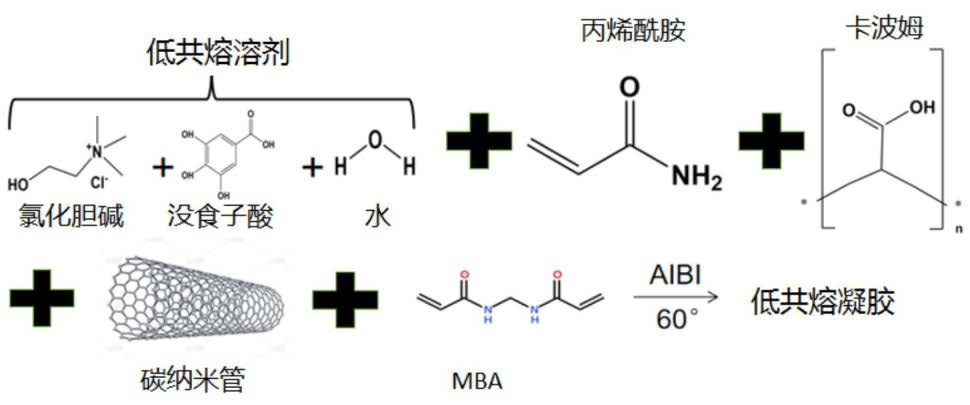
The present invention discloses a deep eutectic gel, along with its preparation method and applications, belonging to the field of piezoresistive pressure sensor technology. The raw materials used to prepare the deep eutectic gel include a deep eutectic solvent, acrylamide, carbon nanotubes, carbomer, a crosslinking agent, and an initiator. The deep eutectic solvent comprises choline chloride, gallic acid, and water. The deep eutectic gel of the present invention successfully overcomes problems associated with conventional hydrogels and ionic-liquid gels, including liquid leakage and solvent evaporation. It can also be readily, rapidly, and cost-effectively fabricated by 3D printing into pressure sensors with complex and precisely defined microstructures, while providing high ionic conductivity. The invention further provides a method for preparing the deep eutectic gel and its applications.
Publication No.:
CN122608820A
Publication Date:
2026-08-21
Applicant(s):
五邑大學;澳門大學;Wuyi University; University of Macau
Inventor(s):
辛月;朱軍;孫國星; Xin Yue; Zhu Jun; Sun Guoxing
Technology Field(s):
高分子化學,聚合物;其他專用機械;測量;Macromolecular chemistry, polymers; Other special machines; Measurement
The present invention discloses a deep eutectic gel, along with its preparation method and applications, belonging to the field of piezoresistive pressure sensor technology. The raw materials used to prepare the deep eutectic gel include a deep eutectic solvent, acrylamide, carbon nanotubes, carbomer, a crosslinking agent, and an initiator. The deep eutectic solvent comprises choline chloride, gallic acid, and water. The deep eutectic gel of the present invention successfully overcomes problems associated with conventional hydrogels and ionic-liquid gels, including liquid leakage and solvent evaporation. It can also be readily, rapidly, and cost-effectively fabricated by 3D printing into pressure sensors with complex and precisely defined microstructures, while providing high ionic conductivity. The invention further provides a method for preparing the deep eutectic gel and its applications.
Power and drainage cooperative recovery method and computer device after storm surge disaster
風暴潮災後電力與排澇協同恢復方法及計算機裝置
Publication No.:
CN122616934A
Publication Date:
2026-08-21
Applicant(s):
澳門大學;遠光軟件股份有限公司;University of Macau; Ygsoft Inc.
Inventor(s):
胡肖瑞;劉景榮;任重宇;郭浩天;鄭泳傑;Hu Xiaorui; Liu Jingrong; Ren Zhongyu; Guo Haotian; Zheng Yongjie
Technology Field(s):
資訊科技管理方法;電腦技術;電機、設備、能源;土木工程;IT methods for management; Computer technology; Electrical machinery, apparatus, energy; Civil engineering
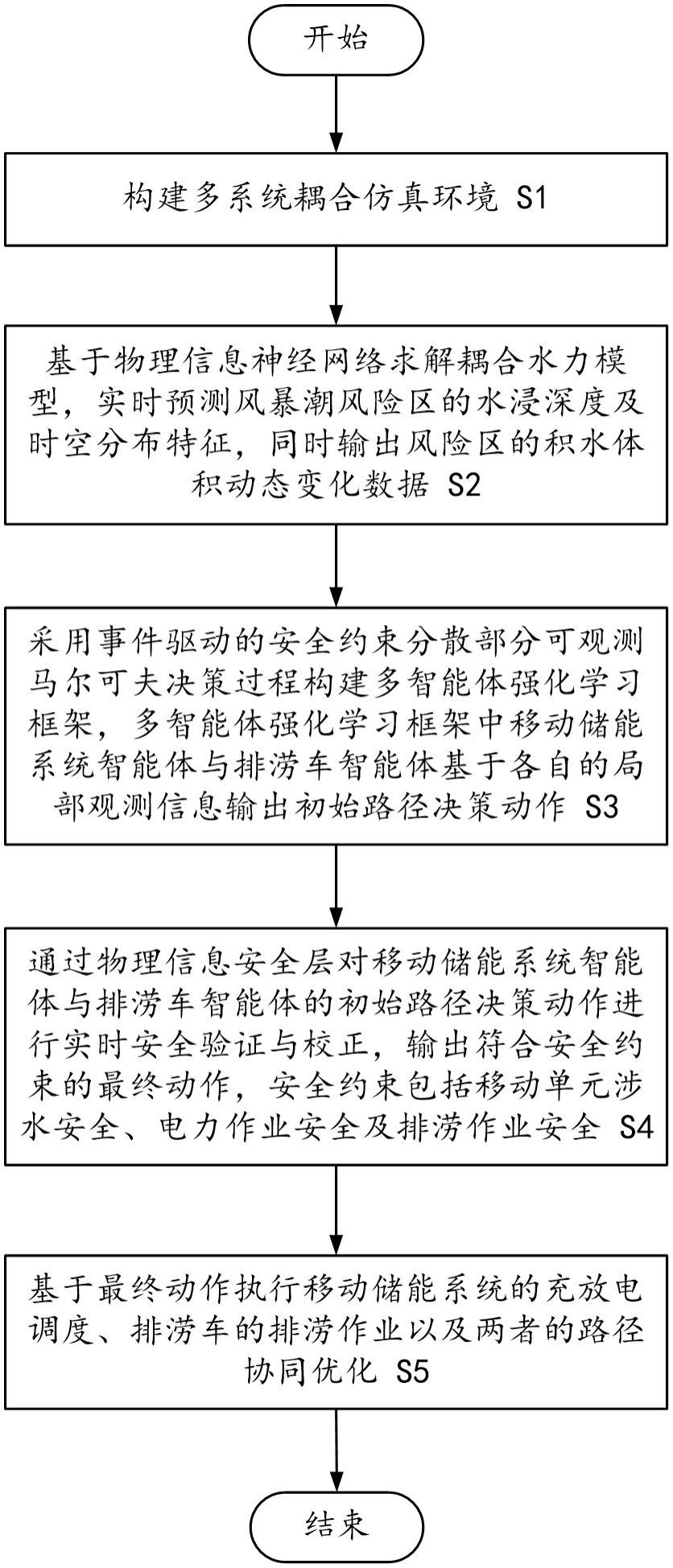
The present invention provides a method and computer apparatus for the coordinated restoration of power supply and drainage operations following a storm-surge disaster. The method comprises: constructing a coupled multi-system simulation environment integrating hydraulic, power, transportation, mobile energy storage, and drainage vehicle systems; using a physics-informed neural network to solve a hydraulic model and predict, in real time, the distribution and evolution of flooding in the disaster-affected area; constructing a multi-agent reinforcement learning framework based on an event-driven, safety-constrained decentralized partially observable Markov decision process, thereby generating initial route-selection actions; using a physics-informed safety layer to perform real-time safety verification and correction of the initial route-selection actions of mobile energy storage system agents and drainage vehicle agents, thereby generating final actions that satisfy the safety constraints; and based on the final actions, performing charging and discharging scheduling of the mobile energy storage systems, drainage operations by the drainage vehicles, and coordinated optimization of their respective routes. The method for coordinated post-storm-surge restoration of power supply and drainage operations according to the present invention can efficiently enable fault identification and rapid restoration of a distribution network following a storm-surge disaster.
Publication No.:
CN122616934A
Publication Date:
2026-08-21
Applicant(s):
澳門大學;遠光軟件股份有限公司;University of Macau; Ygsoft Inc.
Inventor(s):
胡肖瑞;劉景榮;任重宇;郭浩天;鄭泳傑;Hu Xiaorui; Liu Jingrong; Ren Zhongyu; Guo Haotian; Zheng Yongjie
Technology Field(s):
資訊科技管理方法;電腦技術;電機、設備、能源;土木工程;IT methods for management; Computer technology; Electrical machinery, apparatus, energy; Civil engineering
The present invention provides a method and computer apparatus for the coordinated restoration of power supply and drainage operations following a storm-surge disaster. The method comprises: constructing a coupled multi-system simulation environment integrating hydraulic, power, transportation, mobile energy storage, and drainage vehicle systems; using a physics-informed neural network to solve a hydraulic model and predict, in real time, the distribution and evolution of flooding in the disaster-affected area; constructing a multi-agent reinforcement learning framework based on an event-driven, safety-constrained decentralized partially observable Markov decision process, thereby generating initial route-selection actions; using a physics-informed safety layer to perform real-time safety verification and correction of the initial route-selection actions of mobile energy storage system agents and drainage vehicle agents, thereby generating final actions that satisfy the safety constraints; and based on the final actions, performing charging and discharging scheduling of the mobile energy storage systems, drainage operations by the drainage vehicles, and coordinated optimization of their respective routes. The method for coordinated post-storm-surge restoration of power supply and drainage operations according to the present invention can efficiently enable fault identification and rapid restoration of a distribution network following a storm-surge disaster.
Power distribution system source-load cooperative regulation method and system based on low-carbon demand response
基於低碳需求響應的配電系統源荷協同調控方法及系統
Publication No.:
CN122620529A
Publication Date:
2026-08-21
Applicant(s):
橫琴粵澳深度合作區澳門大學高等研究院(橫琴澳門大學高等研究院);珠海澳大科技研究院;University of Macau Advanced Research Institute in Hengqin (HUMRI); Zhuhai UM Science & Technology Research Institute (ZUMRI)
Inventor(s):
惠紅勳;陳庚睿;吳桐;Hui Hongxun; Chen Gengrui; Wu Tong
Technology Field(s):
電機、設備、能源;Electrical machinery, apparatus, energy
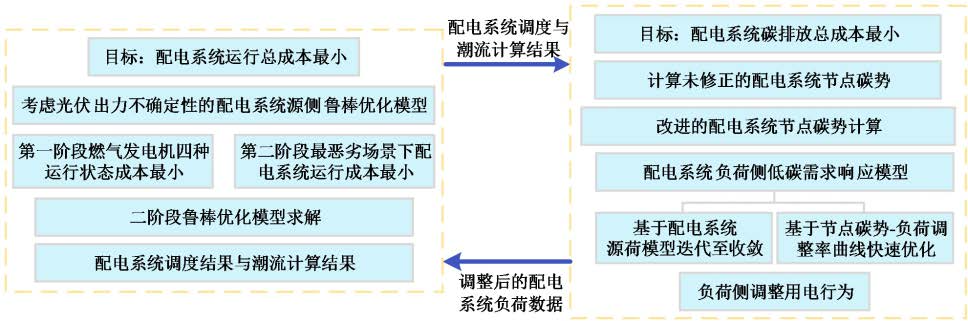
The present invention relates to the field of distribution automation and, more particularly, to a source–load coordinated regulation method and system for a power distribution system based on low-carbon demand response. The method uses minimization of the total operating cost of the power distribution system as the optimization objective. A two-stage robust optimization model for the supply side of the distribution system is established, taking into account uncertainty in photovoltaic power output. The objective of the first-stage optimization is to minimize the costs associated with different operating states of generators, while the objective of the second-stage optimization is to minimize the operating cost of the distribution system under the worst-case scenario. The resulting distribution-system scheduling and power-flow calculation results are then used, with minimization of the total carbon-emission cost of the distribution system as the optimization objective, to guide the demand side in implementing low-carbon demand response. Adjusted load data for the distribution system are thereby obtained, and the total operating cost of the distribution system is further optimized to achieve the minimum overall system cost. The method enables robust and automated operation of distribution systems with economic and low-carbon objectives, improves the accuracy of using carbon potential to characterize carbon emissions from the electricity-consumption perspective, expands the application scenarios of carbon-flow theory, and provides rapid computation.
Publication No.:
CN122620529A
Publication Date:
2026-08-21
Applicant(s):
橫琴粵澳深度合作區澳門大學高等研究院(橫琴澳門大學高等研究院);珠海澳大科技研究院;University of Macau Advanced Research Institute in Hengqin (HUMRI); Zhuhai UM Science & Technology Research Institute (ZUMRI)
Inventor(s):
惠紅勳;陳庚睿;吳桐;Hui Hongxun; Chen Gengrui; Wu Tong
Technology Field(s):
電機、設備、能源;Electrical machinery, apparatus, energy
The present invention relates to the field of distribution automation and, more particularly, to a source–load coordinated regulation method and system for a power distribution system based on low-carbon demand response. The method uses minimization of the total operating cost of the power distribution system as the optimization objective. A two-stage robust optimization model for the supply side of the distribution system is established, taking into account uncertainty in photovoltaic power output. The objective of the first-stage optimization is to minimize the costs associated with different operating states of generators, while the objective of the second-stage optimization is to minimize the operating cost of the distribution system under the worst-case scenario. The resulting distribution-system scheduling and power-flow calculation results are then used, with minimization of the total carbon-emission cost of the distribution system as the optimization objective, to guide the demand side in implementing low-carbon demand response. Adjusted load data for the distribution system are thereby obtained, and the total operating cost of the distribution system is further optimized to achieve the minimum overall system cost. The method enables robust and automated operation of distribution systems with economic and low-carbon objectives, improves the accuracy of using carbon potential to characterize carbon emissions from the electricity-consumption perspective, expands the application scenarios of carbon-flow theory, and provides rapid computation.
Photoelectric Conversion Device and Preparation Method Thereof
光電轉換器件及其製備方法
Publication No.:
US20260247783A1
Publication Date:
2026-08-20
Applicant(s):
澳門大學;University of Macau
Inventor(s):
Wei Hong; Shu Xiao; Peiyuan Pang; Jia Guo; Guichuan Xing
Technology Field(s):
半導體;Semiconductors
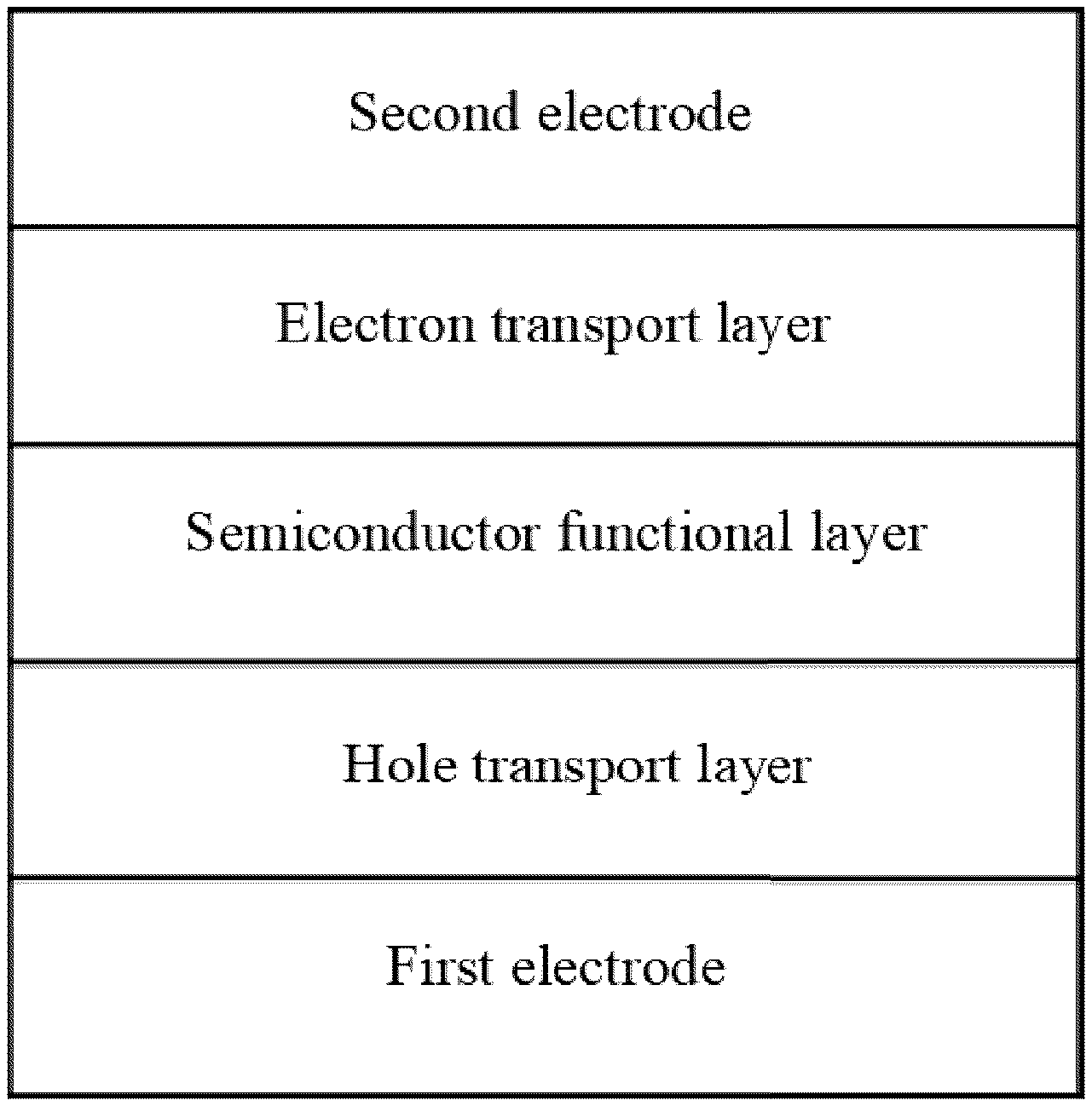
This disclosure relates to a photoelectric conversion device and a method for manufacturing the same. The device includes, in sequence, a first electrode, a hole transport layer, a semiconductor functional layer, an electron transport layer, and a second electrode. The conduction-band energy level of the electron transport layer is matched with that of the semiconductor functional layer, while its valence-band energy level is deeper than that of the semiconductor functional layer. The valence-band energy level of the hole transport layer is matched with that of the semiconductor functional layer, while its conduction-band energy level is shallower than that of the semiconductor functional layer. The disclosed photoelectric conversion device achieves both photon-to-electron conversion and electron-to-photon conversion within a single device.
Publication No.:
US20260247783A1
Publication Date:
2026-08-20
Applicant(s):
澳門大學;University of Macau
Inventor(s):
Wei Hong; Shu Xiao; Peiyuan Pang; Jia Guo; Guichuan Xing
Technology Field(s):
半導體;Semiconductors
This disclosure relates to a photoelectric conversion device and a method for manufacturing the same. The device includes, in sequence, a first electrode, a hole transport layer, a semiconductor functional layer, an electron transport layer, and a second electrode. The conduction-band energy level of the electron transport layer is matched with that of the semiconductor functional layer, while its valence-band energy level is deeper than that of the semiconductor functional layer. The valence-band energy level of the hole transport layer is matched with that of the semiconductor functional layer, while its conduction-band energy level is shallower than that of the semiconductor functional layer. The disclosed photoelectric conversion device achieves both photon-to-electron conversion and electron-to-photon conversion within a single device.
An automatic tumor segmentation method and system based on 3D deep learning [Granted Patent]
一種基於3D深度學習的腫瘤自動分割方法及系統 [授權專利]
Publication No.:
CN118657788B
Publication Date:
2026-08-18
Applicant(s):
澳門大學;University of Macau
Inventor(s):
莫升萍;陳戈飛;Mo Shengping; Chen Gefei
Technology Field(s):
電腦技術;醫療技術;Computer technology; Medical technology
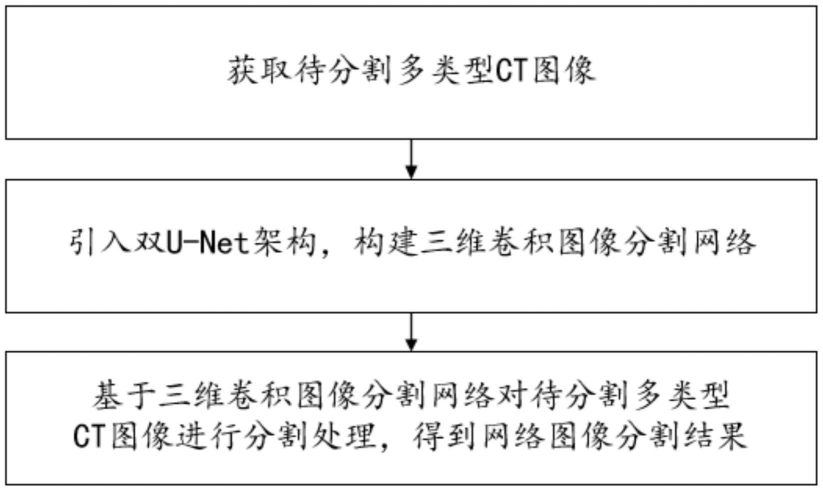
This application discloses a 3D deep learning-based method and system for automatic tumor segmentation. The method includes acquiring multimodal CT images to be segmented, including contrast-enhanced CT arterial portal venous phase images, contrast-enhanced CT hepatic arterial phase images, and low-dose computed tomography images; introducing a dual U-Net architecture to construct a three-dimensional convolutional image segmentation network; and segmenting the multimodal CT images using the three-dimensional convolutional image segmentation network to obtain segmentation results. Embodiments of this application can improve the segmentation accuracy of the liver, lungs, and tumors, while reducing dosimetric error metrics. The application may be widely used in the field of medical image segmentation technology.
Publication No.:
CN118657788B
Publication Date:
2026-08-18
Applicant(s):
澳門大學;University of Macau
Inventor(s):
莫升萍;陳戈飛;Mo Shengping; Chen Gefei
Technology Field(s):
電腦技術;醫療技術;Computer technology; Medical technology
This application discloses a 3D deep learning-based method and system for automatic tumor segmentation. The method includes acquiring multimodal CT images to be segmented, including contrast-enhanced CT arterial portal venous phase images, contrast-enhanced CT hepatic arterial phase images, and low-dose computed tomography images; introducing a dual U-Net architecture to construct a three-dimensional convolutional image segmentation network; and segmenting the multimodal CT images using the three-dimensional convolutional image segmentation network to obtain segmentation results. Embodiments of this application can improve the segmentation accuracy of the liver, lungs, and tumors, while reducing dosimetric error metrics. The application may be widely used in the field of medical image segmentation technology.
A polypeptide for activating Treg cells to exert anti-inflammatory effect [Granted Patent]
一種啟用Treg細胞發揮抗炎作用的多肽 [授權專利]
Publication No.:
CN119775354B
Publication Date:
2026-08-18
Applicant(s):
澳門大學;University of Macau
Inventor(s):
陳新;廖萍;陳忠豪;高楊;Chen Xin; Liao Ping; Chen Zhonghao; Gao Yang
Technology Field(s):
生物技術;製藥;Biotechnology; Pharmaceuticals
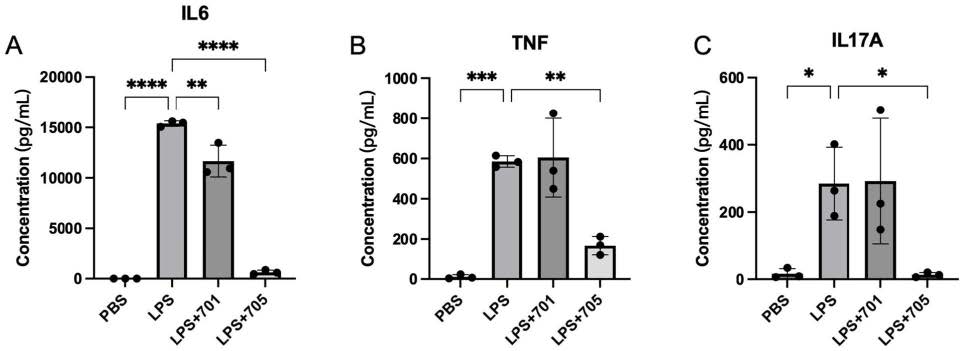
The present invention relates to the field of biomedicine, and more particularly to a peptide that activates regulatory T (Treg) cells to exert anti-inflammatory effects. The invention identifies a novel bioactive small peptide, UMR2-705 (DLLISIY). In vitro, UMR2-705 promotes the proliferation and expansion of mouse Treg cells, as well as the proliferation of Treg cells in human peripheral blood mononuclear cells (PBMCs). The peptide exhibits favorable anti-inflammatory activity and can significantly attenuate increases in levels of cytokines such as IL-6, TNF-α, and IL-17A. In both an LPS-induced mouse inflammation model and a mouse psoriasis model, it effectively suppresses elevated levels of cytokines including IL-6, TNF-α, and IL-17A, thereby providing a novel therapeutic approach for inflammatory diseases. The peptide used in the invention offers advantages including low cost and stable, reliable efficacy, and provides new directions and a theoretical basis for the development of anti-inflammatory drugs.
Publication No.:
CN119775354B
Publication Date:
2026-08-18
Applicant(s):
澳門大學;University of Macau
Inventor(s):
陳新;廖萍;陳忠豪;高楊;Chen Xin; Liao Ping; Chen Zhonghao; Gao Yang
Technology Field(s):
生物技術;製藥;Biotechnology; Pharmaceuticals
The present invention relates to the field of biomedicine, and more particularly to a peptide that activates regulatory T (Treg) cells to exert anti-inflammatory effects. The invention identifies a novel bioactive small peptide, UMR2-705 (DLLISIY). In vitro, UMR2-705 promotes the proliferation and expansion of mouse Treg cells, as well as the proliferation of Treg cells in human peripheral blood mononuclear cells (PBMCs). The peptide exhibits favorable anti-inflammatory activity and can significantly attenuate increases in levels of cytokines such as IL-6, TNF-α, and IL-17A. In both an LPS-induced mouse inflammation model and a mouse psoriasis model, it effectively suppresses elevated levels of cytokines including IL-6, TNF-α, and IL-17A, thereby providing a novel therapeutic approach for inflammatory diseases. The peptide used in the invention offers advantages including low cost and stable, reliable efficacy, and provides new directions and a theoretical basis for the development of anti-inflammatory drugs.
A novel venom polypeptide compound dendrimer and its preparation method and application [Granted Patent]
一種新型毒液多肽複合樹枝狀大分子及其製備方法與應用 [授權專利]
Publication No.:
CN120118171B
Publication Date:
2026-08-18
Applicant(s):
澳門大學;University of Macau
Inventor(s):
郭珩輝;秦海心;何丹桂;Guo Henghui; Qin Haixin; He, Dan-Gui
Technology Field(s):
生物技術;製藥;微結構與奈米技術;Biotechnology; Pharmaceuticals; Micro-structural and nano-technology
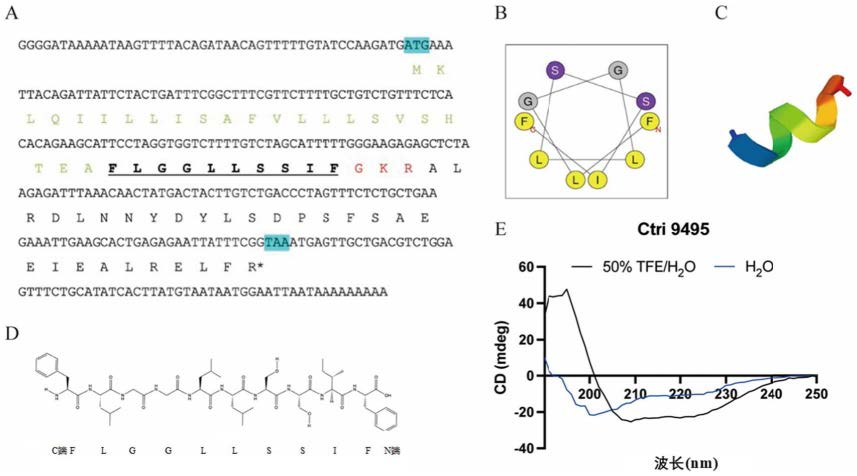
The present invention relates to the field of biomedicine and discloses a novel venom peptide–dendrimer complex, as well as methods for its preparation and use. In particular, the invention discloses a scorpion venom peptide having the amino acid sequence FLGGLLSSIF. A novel scorpion venom peptide, designated C9, was isolated and identified, and a novel glioblastoma (GBM)-targeting peptide–polyamidoamine dendrimer complex, G5C9 (i.e., a nanoparticle), was constructed. Compared with peptide C9 alone, G5C9 exhibits significantly improved cellular uptake efficiency. G5C9 enters cells through endocytosis and targets lysosomes, disrupting lysosomal function and mTORC1 activity, thereby promoting the nuclear translocation of TFEB and inducing autophagic cell death. Accordingly, G5C9 provides a novel targeted anti-GBM approach both in vitro and in vivo.
Publication No.:
CN120118171B
Publication Date:
2026-08-18
Applicant(s):
澳門大學;University of Macau
Inventor(s):
郭珩輝;秦海心;何丹桂;Guo Henghui; Qin Haixin; He, Dan-Gui
Technology Field(s):
生物技術;製藥;微結構與奈米技術;Biotechnology; Pharmaceuticals; Micro-structural and nano-technology
The present invention relates to the field of biomedicine and discloses a novel venom peptide–dendrimer complex, as well as methods for its preparation and use. In particular, the invention discloses a scorpion venom peptide having the amino acid sequence FLGGLLSSIF. A novel scorpion venom peptide, designated C9, was isolated and identified, and a novel glioblastoma (GBM)-targeting peptide–polyamidoamine dendrimer complex, G5C9 (i.e., a nanoparticle), was constructed. Compared with peptide C9 alone, G5C9 exhibits significantly improved cellular uptake efficiency. G5C9 enters cells through endocytosis and targets lysosomes, disrupting lysosomal function and mTORC1 activity, thereby promoting the nuclear translocation of TFEB and inducing autophagic cell death. Accordingly, G5C9 provides a novel targeted anti-GBM approach both in vitro and in vivo.
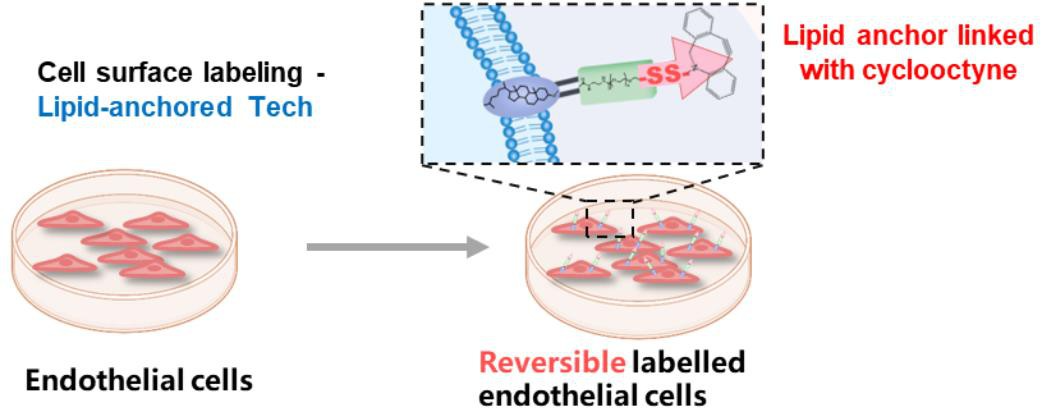
An implantable instrument interface system, method and application capable of realizing rapid cell adhesion and controllable release
一種可實現細胞快速黏附與可控釋放的植入器械介面體系、方法及應用
Publication No.:
CN122582384A
Publication Date:
2026-08-18
Applicant(s):
澳門大學;University of Macau
Inventor(s):
牛一鳴;王春明;黎穎港;劉琛燁;Niu Yiming; Wang Chunming; Li Yinggang; Liu Chen Ye
Technology Field(s):
醫療技術;Medical technology
This invention discloses an implant-device interface system, method, and applications for rapid cell adhesion and controllable cell release, relating to the fields of biomedical materials and tissue engineering. The interface system comprises a first reactive group immobilized on the surface of an implantable device and a second reactive group inserted into the membrane of target cells via a membrane-anchoring molecule. The membrane-anchoring molecule contains a cleavable linker, while the first and second reactive groups form a complementary click-chemistry or bioorthogonal pairing system. The system enables rapid cell adhesion within 0.5–6 h. Following triggering at 6 h, cell migration rates increase, and a confluent monolayer forms within 12–48 h, accompanied by enhanced tight junction formation and good blood compatibility (hemolysis rate <5%). The system is compatible with various materials and cell types and is suitable for surface cellularization and improved biointegration of devices such as small-diameter vascular grafts, vascular stents, catheters, and valves.
Publication No.:
CN122582384A
Publication Date:
2026-08-18
Applicant(s):
澳門大學;University of Macau
Inventor(s):
牛一鳴;王春明;黎穎港;劉琛燁;Niu Yiming; Wang Chunming; Li Yinggang; Liu Chen Ye
Technology Field(s):
醫療技術;Medical technology
This invention discloses an implant-device interface system, method, and applications for rapid cell adhesion and controllable cell release, relating to the fields of biomedical materials and tissue engineering. The interface system comprises a first reactive group immobilized on the surface of an implantable device and a second reactive group inserted into the membrane of target cells via a membrane-anchoring molecule. The membrane-anchoring molecule contains a cleavable linker, while the first and second reactive groups form a complementary click-chemistry or bioorthogonal pairing system. The system enables rapid cell adhesion within 0.5–6 h. Following triggering at 6 h, cell migration rates increase, and a confluent monolayer forms within 12–48 h, accompanied by enhanced tight junction formation and good blood compatibility (hemolysis rate <5%). The system is compatible with various materials and cell types and is suitable for surface cellularization and improved biointegration of devices such as small-diameter vascular grafts, vascular stents, catheters, and valves.